Cars were built with love


It:Eng.version

Once-upon-a-time cars were built with love – meticulously engineered, the metal sculpted and interiors crafted by specialists.

The motor car had value, not only materially but emotionally.

These were not throwaway objects. In the age of mass-production, hyper-consumption and a growing awareness of the environmental damage from “fast fashion” – be it clothing or cars – many are examining their approach to consumption. It is one thing to subscribe to electrification, yet true sustainability is about reuse – breathing new life into objects that already exists.

Nargess Banks


Le auto erano costruite con amore: meticolosamente progettate, il metallo scolpito e gli interni realizzati da specialisti.

L’automobile aveva un valore, non solo materialmente ma emotivo.

Questi non erano oggetti da buttare.

Nell’era della produzione di massa, dell’iperconsumo e della crescente consapevolezza del danno ambientale causato dalla “moda veloce” – che si tratti di abbigliamento o auto – molti stanno riconsiderando il loro approccio al consumo.

Una cosa è iscriversi all’elettrificazione, ma la vera sostenibilità riguarda il riutilizzo: respirare nuova vita in oggetti già esistenti.

(traduzione di Romano Pisciotti)

COMMENTO:

Yes … of course we cannot travel using old and polluting cars, the article urges us not to build for rapid consumption … this is the real message.

Si…certo non possiamo viaggiare usando auto vecchie e inquinanti, l’articolo invita a non costruire per un rapido consumo…questo è il vero messaggio.

R.P.

La mia terra

Ho paura che non sia più la mia terra: non parlo del ricordo degli eroi o delle rime dei poeti, delle officine di passioni o dei campi di speranza.

Non scomodo la storia, il pensiero operoso di capitani d’industria o le capaci mani callose di chi ha, per tante volte, costruito e ricostruito questo Paese: reclamo il coraggio di un popolo, che non può perdersi nelle chiacchiere di politici malsani; il futuro della gente non può stare appeso ai sogni della finanza speculativa, tanto meno alla paura d’incubi mostruosi di aride zolle.

Si è fatto scempio delle arti e gettato la bellezza, l’orgoglio, la logica e l’onore inseguendo meccaniche futuristiche di vuote teorie globali.

Romano Pisciotti

The Maritime Republics

Venice, Genoa, Pisa and Amalfi: what do these four attractive Italian towns have in common? Find out about their glorious, sea-related past, that left plenty of traces, monuments and fun facts still noticeable today visiting the cities

During the Middle Ages, four coastal towns of the Italic peninsula conquered a leading role in the European scene, becoming queens of the Mediterranean Sea. They were independent maritime city-states and in their governments the merchant class had considerable power: rather unique cases, in the Medieval World! These four republics almost look like a throwback to the great maritime republics of ancient times, such as Athens and Carthage. It was to defend themselves from the threats of Muslim raiders and pirates that they developed powerful navies, that soon were able to go on to the offensive: from the 10th to the 13th centuries the Maritime Republics took control of many of the sea trade routes in the Mediterranean and played an essential role in the Crusades.

The Maritime Republics also found themselves in competition, engaged in shifting alliances and warfare; but despite the commercial rivalry that played them off against one another, these four cities have always been considered a great Italian glory, for their initiative, their spirit of adventure and their ability of resurrect in the face of adversity. What is most surprising, is that very few people know about their glorious past as maritime powers, although they are at the present time very popular touristic destinations, famous all over the world for their monuments, their historical heritage or natural beauty…

AMALFI

http://www.charmeadventure.com/the-italian-ancient-maritime-republics

Presented by Romano Pisciotti

Survivorship bias // Pregiudizio di sopravvivenza

It:Eng.version

During World War II, the Allies tracked bullet holes on planes that were hit by Nazi fire.

The result looked like this:

They were looking to strengthen the planes, reinforce heavily hit areas so they could withstand even more.

Their immediate thought was to build up the places with clusters of red dots and on the surface, it was a logical deduction. After all, these were the areas getting hit the most.

But Abraham Wald, a mathematician came to a different conclusion: the red dots only represented the damage on planes that came home.

Instead, they should reinforce the places where there were no dots, because those are the places the plane wouldn’t survive being hit.

This phenomenon is called survivorship bias. At its simplest, its when we look at the things that survived when we should be focusing on the ones that didn’t.


Durante la seconda guerra mondiale, gli Alleati rintracciarono fori di proiettile su aerei colpiti dal fuoco nazista.
Il risultato appariva come nella figura

Stavano cercando di rafforzare gli aerei, rafforzare le aree colpite pesantemente in modo da poter resistere ancora di più.
Il loro pensiero immediato era quello di rinforzare le parti con gruppi di punti rossi  in superficie, era una deduzione logica. Dopotutto, queste erano le aree maggiormente colpite.
Ma Abraham Wald, un matematico, giunse a una conclusione diversa: i punti rossi rappresentavano solo il danno sugli aerei che tornavano a casa.
Invece, si sarebbe dovuto rinforzare i punti in cui non c’erano punti, perché quelli sono i punti in cui l’aereo non sopravviverebbe ai colpi.
Questo fenomeno si chiama pregiudizio alla sopravvivenza. Nella sua forma più semplice, è quando guardiamo le cose sopravvissute quando dovremmo concentrarci su quelle che non lo sono.

Romano Pisciotti: cercando nel web

ANIMA

Anima

Nei miei pensieri
i tuoi modi
le tue parole
i tuoi battiti.
Nelle stanze comuni
del cuore
i nostri sogni
le delusioni e
le passioni.
Nell’anima
qualche lacrima e
il tuo sorriso,
la gioia dell’attesa
di un abbraccio.
Negli occhi
la mia e
la tua speranza
d’essere insieme
ancora felici.

Romy

Romano Pisciotti

RITI MESCHINI


Riti meschini

di Romano Pisciotti


Ci sono stati momenti
nei quali tutto
sarebbe stato possibile,
sino a quando
il ragno lurido
dell’invidia e dell’arroganza
ha chiesto, della felicità,
vendetta
sporcando di sterco
e melmosa bava
le nostre vite.

Più subdolo del cancro
più bastardo del diavolo
ha sparigliato le carte,
il futuro e i sogni.
Non ho pianto lacrime
ma sangue di rabbia
per crudele impotenza;
sono stato lacerato
dalla delusione
e dalle nostre rinunce,
ferito da chi
facendo di teatro verità
e della giustizia scempio,
si è nutrito
dell’odore della bestia.

Poveri servi crudeli
hanno esorcizzato l’ignoraza
con riti meschini,
insetti senza sangue
accecati dalla superbia
e dalla presunzione
d’essere giudici del mondo
hanno invocato
le loro leggi
per celebrare l’orgoglio
di falsi trionfi.

Avevo chiuso
il mio cuore
nelle tue stanze e
quello
non l’hanno trovato:
dal tuo abbraccio
è ripartita la vita.

Romy

TRAFFIC POLLUTION

According to recent research, car exhausts are responsible for only one third of traffic pollution.

The study, published in Atmospheric Environment, states that almost half of the air pollution from road traffic is due to non-exhausting sources (such as brake wear, road wear, and particles raised from the road by the passage of vehicles).
Prof. Ranjeet Sokhi, of the University of Hertfordshire, who led the study, says: “In terms of mass, non-exhaust sources can be more impactful, but legislative control has focused on exhaust emissions. As the exhaust emission regulations become more stringent, the non-exhaust sources become proportionately more important. The control of exhaust emissions only may not be sufficient to meet the legal standards for air quality “.

Info ITALMOTOR, Romano Pisciotti

OCCHIO DI TIGRE

La pietra chiamata “occhio di tigre” è un cristallo di quarzo, con splendide fasce di colore giallo dorato che lo attraversano. È un minerale potente che aiuta l’armonia e l’equilibrio, migliorando gli stati di ansia e paura.

Stimola l’azione e aiuta a prendere decisioni con discernimento e comprensione, oltre che con una grande chiarezza mentale. Tradizionalmente viene usato come amuleto contro le energie negative, ed è noto per indurre al coraggio, alla fiducia in se stessi e alla forza di volontà. Esalta la creatività ed è una delle pietre che aiutano il risveglio della Kundalini.

Provenienza e significato

La maggior parte di queste pietre provengono dal Sud Africa, ma si trovano anche in Brasile, India, Birmania, Australia e Stati Uniti. Il significato del nome “occhio di tigre” deriva dal fatto che assomiglia all’iride del felino: il colore va dal giallo al bruno e al marrone, attraversato da bellissime sfumature striate. Il minerale è un grande amplificatore di energia, come nella maggior parte dei casi di cristalli di quarzo, e aumenterà a sua volta l’energia di tutti gli altri cristalli con cui si utilizza.

Spigolando nel web,

Romano Pisciotti

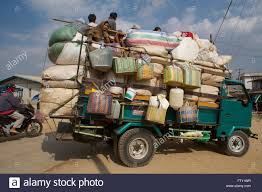
OVERLOAD

A system is in operation in Italy that detects the total mass of each industrial vehicle in transit and warns in case of weight exceeding the maximum allowed value. This is how Overload Tutor was created, installed in five locations on the national network.

OVERLOAD

The new system carries out the weighing of industrial vehicles running at any speed, using portals similar to those of the speed tutor. The apparatus – created in collaboration with the Traffic Police – is placed ten kilometers before the apron where a Polstrada patrol operates, equipped with a static overload detection device, as required by current legislation. the Overload Tutor reports to the patrol vehicles that are overloaded, which are then stopped, checked and eventually fined. In this way, it is possible to carry out selective and no longer random checks, also avoiding unnecessary stops for vehicles in order.
The system operates through sensors embedded in the road surface, which for each passing vehicle identify the class, the number of axles, speed and weight, and cameras placed on a portal, which record the number plate. The system sends to the Traffic Police – via a cellular connection on a portable terminal – the image of the overweight detected vehicle, with the date and time of transit and estimated time of arrival. Autostrade per l’Italia has already installed five Overload Tutor workstations along the busiest sections of its network’s trucks.

Presented by Romano Pisciotti