CORONAVIRUS

I coronavirus (CoV) sono un’ampia famiglia di virus respiratori che possono causare malattie da lievi a moderate, dal comune raffreddore a sindromi respiratorie come la MERS (sindrome respiratoria mediorientale, Middle East respiratory syndrome) e la SARS (sindrome respiratoria acuta grave, Severe acute respiratory syndrome). Sono chiamati così per le punte a forma di corona che sono presenti sulla loro superficie.

I coronavirus sono comuni in molte specie animali (come i cammelli e i pipistrelli) ma in alcuni casi, se pur raramente, possono evolversi e infettare l’uomo per poi diffondersi nella popolazione. Un nuovo coronavirus è un nuovo ceppo di coronavirus che non è stato precedentemente mai identificato nell’uomo.

I coronavirus umani conosciuti ad oggi, comuni in tutto il mondo, sono sette, alcuni identificati diversi anni fa (i primi a metà degli anni Sessanta) e alcuni identificati nel nuovo millennio.
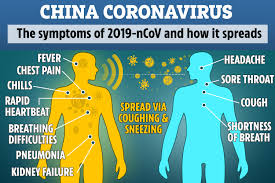
Coronaviruses (CoV) are a large family of respiratory viruses that can cause mild to moderate diseases, from the common cold to respiratory syndromes such as MERS (Middle East respiratory syndrome, Middle East respiratory syndrome) and SARS (severe acute respiratory syndrome, Severe acute respiratory syndrome). They are so called because of the crown-shaped tips that are present on their surface.
 
Coronaviruses are common in many animal species (such as camels and bats) but in some cases, though rarely, they can evolve and infect humans and then spread to the population. A new coronavirus is a new coronavirus strain that has never previously been identified in humans.
 
Human coronaviruses known to date, common all over the world, are seven, some identified several years ago (the first in the mid-sixties) and some identified in the new millennium.

…dal web

Romano Pisciotti

TESLA …e le formiche

La multinazionale fondata da Elon Musk ha iniziato la costruzione dell’impianto di Grünheide, nel Brandenburgo, a pochi chilometri da Berlino, che dovrebbe essere inaugurato nel 2021. I lavori stanno accumulando ritardi su ritardi a causa  delle formiche!

Obblighi ambientali

A gennaio Tesla ha ricevuto il via libera dal governo tedesco per la costruzione dello stabilimento. Tra gli obblighi contratti dall’azienda americana c’è anche quello di preservare una particolare specie di formiche in via di estinzione. Secondo la Süddeutsche Zeitung, la casa automobilistica deve ora disotterrare e poi trasferire numerose colonie di formiche usando «pale e piccoli escavatori». Un lavoro che si sta dimostrando molto più complicato del previsto e che ha allungato inesorabilmente i tempi.

Notizie dal web

Romano Pisciotti

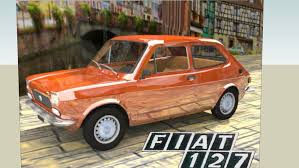
FIAT 127 … past and future

The Fiat 127 is a supermini car produced by Italian car manufacturer FIAT from 1971 to 1983. It was introduced in 1971 as the replacement for the Fiat 850. Production of the 127 in Italy ended in 1983 following the introduction of its replacement, the Fiat Uno.

Centro Storico FIAT:

… how could the new FIAT 127 be


Presentato da Romano Pisciotti

OPEC CARTEL

Understanding the Organization of the Petroleum Exporting Countries (OPEC)

OPEC, which describes itself as a permanent intergovernmental organization, was created in Baghdad in Sept. 1960 by its founding members: Iran, Iraq, Kuwait, Saudi Arabia, and Venezuela. The headquarters of the organization are in Vienna, Austria, where the OPEC Secretariat, the executive organ, carries out OPEC’s day-to-day business.

According to its statutes, OPEC membership is open to any country that is a substantial exporter of oil and shares the ideals of the organization. After the five founding members, OPEC added 11 additional member countries as of 2019. They are, in order of joining, Qatar (1961), Indonesia (1962), Libya (1962), the United Arab Emirates (1967), Algeria (1969), Nigeria (1971), Ecuador (1973), Gabon (1975), Angola (2007), Equatorial Guinea (2017), and Congo (2018). However, Qatar terminated its membership on Jan. 1, 2019, and Indonesia suspended its membership on Nov. 30, 2016, so as of 2019 the organization consists of 14 states.

How OPEC Works

The group has agreed to define OPEC’s mission thusly: “to coordinate and unify the petroleum policies of its Member Countries and ensure the stabilization of oil markets in order to secure an efficient, economic, and regular supply of petroleum to consumers, a steady income to producers, and a fair return on capital for those investing in the petroleum industry.”

As a cartel, OPEC members have a strong incentive to keep oil prices as high as possible while maintaining their shares of the global market.

..It is notable that some of the world’s largest oil producers, including Russia, China, and the United States, are not members of OPEC, which leaves them free to pursue their own objectives….

OPEC’s influence on the market has been widely criticized. Because its member countries hold the vast majority of crude oil reserves (79.4%, according to the OPEC website), the organization has considerable power in these markets.

Presented by Romano Pisciotti

La FIAT in Russia

Russia: il sogno Zhigulì

Il Comitato Centrale del Partito Comunista dell’Unione Sovietica arrivo a questa decisione dopo aver analizzato ben 54 differenti progetti. A vincere la sfida fu la Fiat che “conquistò” i russi, nella fattispecie l’allora segretario generale Nikita Cruschev, durante l’Esposizione Italiana del 1962 a Mosca. Erano gli anni del boom economico e della motorizzazione di massa dell’Italia ed il modello di produzione della Fiat parve la soluzione ideale agli occhi dei sovietici.


Il 15 agosto 1966 Urss e Fiat decisero che un paese sul Volga sarebbe diventato la Città dell’auto. Con il nome del leader del Pci.

Un sogno vecchio più di cinquant’anni  se si prende per data ufficiale del “progetto Togliatti” il 15 agosto 1966 con la storica firma a Mosca dell’accordo tra il presidente (uscente) della Fiat, Vittorio Valletta, e i ministri dell’Industria automobilistica e del commercio estero dell’Urss.

Presentato da Romano Pisciotti


Storia e tecnica: Grandiosi progetti italiani

Il canale del petrolio

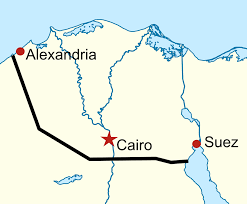
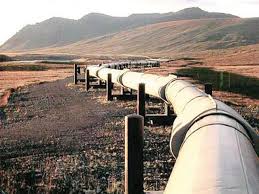
The Sumed pipeline (also known as Suez-Mediterranean pipeline) is an oil pipeline in Egypt, running from the Ain Sukhna terminal on the Gulf of Suez to offshore Sidi Kerir, Alexandria on the Mediterranean Sea. It provides an alternative to the Suez Canal for transporting oil from the Persian Gulf region to the Mediterranean.

Il grandioso progetto SUMED (Egitto 1979)

Regia:

Fabio Pellarin

Anno:
1979

Contenuto:


Un consorzio composto da quattro Società italiane, Saipem e Snamprogetti del Gruppo Eni, Montubi e Cimi della Finsider, ha realizzato in Egitto un sistema di oleodotti per il trasporto del greggio da Suez nel Mar Rosso, ad Alessandria, nel Mediterraneo. Il film illustra le varie fasi della realizzazione dell’importante opera.

Genere 

documentario

Edizione:
italiano


The Sumed pipeline is 320 kilometres (200 mi) long. It consists of two parallel lines of 42 inches (1,070 mm) diameter. Its capacity is 2.5 million barrels per day (400×103 m3/d).

In 2009 it carried 1.1 million barrels per day (170×103 m3/d).

TODAY:

Arab Petroleum Pipeline Co. ( SUMED) has established a fully equipped product hub at their Ain Sukhna complex on the Red Sea Coast in Egypt. The hub includes both onshore and offshore facilities. The onshore facility comprises 61 product storage tanks with a total capacity of 2,125 million m³, and two 50 km long unidirectional pipelines to the city of Suez. The diameter of the individual product storage tanks varies from 21 to 59 m.

marine hose
Single point moron with marine hoses

The offshore facility comprises a jetty and berths (500-160,000 DWT) including a topside pipeline and other auxiliaries. The hub includes an offshore single point mooring for very large crude carriers (VLCC), connected via a sea pipeline and marine hoses. The offshore facility is intended to accommodate future expansions to handle up to 24 million tonnes per annum of various products.


Presented by Romano Pisciotti