Nigerian facts: the presidential elections have been postponed for a week … I leave to others the various speculations about this decision and, as I have not done before, I do not go into the merits of the programs or the aptitudes of the candidates. I’m sure that both candidates do not need to read my notes, so more than a message is my humble opinion and hope: I like to think that God, before creating the universe, dreamed it. Whoever will be the new President, I like to think that he has a dream to realize, obviously not as big as the universe, but green… like hope, like the buds, like the Nigerian flag….
Oh… Great President and father, slow down your path, in doing so, you will be able to see the wonderful smile of young Nigerians.
Nigeria is the heart of Africa; young people are African hope for the future.
Young people have strong hands like the experienced fishermen of the great river, like their peasant fathers, curvet over the greedy soil, but never bent in their intimate pride; young have strong legs and long footstep, like skilled hunters, and their eyes as bright as the ancient warriors.
The womb of the young is fertile, like their spirit, like the lands washed by the Niger and the Benue.
Their mind has eyes to look far, farther than the boundaries and the horizon, far beyond where their parents could look.
Their soul, rich in ancestral traditions, has learned to live in the equilibrium on the heights of urban skyscrapers and in the overflowing traffic of megalopolis: their heart beats with passion, hope and … megabyte.
Africa is hungry for knowledge and young people are even hungrier to know about the world and the things it offers. They want to be scientists or poets, doctors and aviators … or just honest workers, equally honourable and proud. Loving mothers and caring fathers…all citizens of a beloved and respected country.
All the young people on the planet have the same expectations, they need the same opportunities.
Oh… Great President, you will be their guide on the path of knowledge: thinking about their education, their health and taking charge of their rights … without forgetting their dreams. Let the dream of the Great Country be everyone’s dream.
Beautiful rendering … Alfa Romeo, icon and fantasy … for a probable future?
THE SUPER TRUCK
… would be a splendid return to the glories of Alfa Romeo’s past
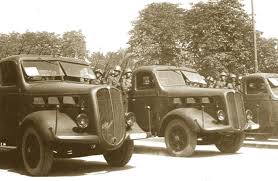
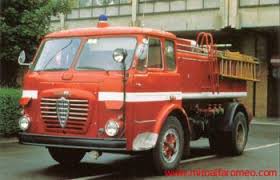
Autocarri Alfa Romeo
Guardando la cronologia dei camion Alfa Romeo non può non saltare all’occhio come la Casa del Portello sia stata, dopo la Fiat (e considerando per questa la continuità con l’Iveco), il più longevo costruttore italiano di veicoli industriali: il primo camion Alfa è del 1914, l’ultimo del 1988. Eppure, nonostante settantaquattro anni di produzione, il camion non è un veicolo che il pensiero collega automaticamente al marchio Alfa Romeo. E magari, pur ricordando qualche mezzo da lavoro con il marchio del Biscione, molti collegheranno il concetto di “camion Alfa” soltanto ai tanti veicoli leggeri e medio-leggeri che, dall’inizio degli anni Sessanta fino a metà degli Ottanta, hanno costituito la produzione camionistica della Casa.
Afa Romeo 950
Scoprire che, per un trentennio, l’Alfa ha prodotto camion veri e propri, omologati per il peso massimo concesso dal Codice dell’epoca e spinti da grandi motori diesel, sarà per molti una sorpresa.
Furgone Alfa
Looking at the history of the Alfa Romeo trucks, it can not fail to notice how ALFA was, after Fiat (and considering the continuity with Iveco), the longest-built Italian industrial vehicle manufacturer: the first Alfa truck Romeo is from 1914, the last of 1988. Yet, despite seventy-four years of production, the truck is not a vehicle that thought automatically links to the Alfa Romeo brand. And maybe, even if we remember some means of work with the Italian brand, many will link the concept of “Alfa truck” only to the many light and medium-light vehicles that, from the early sixties to the mid-eighties, formed the production House truck.
Camion Alfa
Discovering that, for thirty years, Alfa has produced real trucks, approved for the maximum weight granted by the Code of the time and driven by large diesel engines, will be a surprise for many.
I have to thank the land that hosts me, gives me work and future, welcoming me for what I am, as I am.
I have put in my job all my past experiences of work and life; I hope I have given, and continue to make, my contribution to the development of this Great Country.
It is not easy to work in a multi-ethnic environment, it is not easy to work away from home and I am grateful to the people who work with me and support me or follow me or criticize me: all of them are my big family.
Tomorrow is an important day for Nigeria: Presidential election day … I obviously do not vote, I would just to wish everyone to celebrate a peaceful day of democracy in the fulfillment of law and duty of the people. Amen
Quella nigeriana è una delle più interessanti economie del continente africano per dimensioni del mercato interno e potenziale di sviluppo, nonostante la crescita oggi sia inferiore al passato per effetto della discesa delle quotazioni del petrolio. Le opportunità per il made in Italy sono molteplici e vanno dai macchinari e le tecnologie per l’industria, ai beni di consumo, all’edilizia e arredo.
Dopo un periodo prolungato di forte crescita, l’economia nigeriana dal 2014 ha iniziato a rallentare a causa della caduta del prezzo del petrolio, da cui dipende per il 90% delle esportazioni e l’80% delle entrate statali.
Malgrado l’impatto negativo sui conti pubblici, con l’impoverimento delle riserve in valuta estera e la svalutazione della moneta nazionale (la naira), il governo nigeriano non ha abbandonato i programmi di investimento riguardanti alcuni settori strategici per lo sviluppo del paese.
I settori più rilevanti dell’economia nigeriana
Il settore oil&gas e più in generale l’industria mineraria ed estrattiva sono il pilastro dell’economia nigeriana. Oltre ai giacimenti di petrolio, di cui è uno dei maggiori produttori al mondo, la Nigeria possiede infatti abbondanti riserve di gas e importanti risorse minerarie, non ancora adeguatamente sfruttate.
Un altro settore chiave è quello delle infrastrutture e delle grandi opere in ambito civile, industriale e di trasporto, alle quali il governo sta destinando consistenti investimenti. Obiettivo del governo è anche quello di migliorare i servizi logistici e portuali.
Tra le priorità del paese c’è poi la questione cruciale del deficit energetico: la produzione di energia elettrica non soddisfa il fabbisogno complessivo e forti carenze si riscontrano anche nella rete di trasmissione e distribuzione che necessita di interventi di ampliamento e potenziamento, aprendo numerose opportunità ai fornitori di apparecchiature elettriche.
La rapida urbanizzazione di larga parte della popolazione è alla base della crescente richiesta sia di abitazioni che di edifici pubblici e strutture commerciali: quello delle costruzioni è un settore trainante dell’economia nigeriana che offre grandi opportunità alle imprese produttrici di materiali per l’edilizia, mobili e complementi d’arredo.
Agricoltura e agroindustria sono due comparti di rilievo che il governo vuole rilanciare. Attualmente la produzione agricola non è sufficiente al fabbisogno del mercato interno e devono essere importati anche i prodotti alimentari di base. Ci sono grandi spazi per i fornitori di macchinari e tecnologie da impiegare sia nell’agricoltura che nel food processing.
Di una certa importanza sono l’industria tessile, specie la cotoniera, e quella delle pelli.
Altri settori economici destinati a crescere rapidamente nei prossimi anni sono quello dei servizi bancari e finanziari e quello delle telecomunicazioni e ICT.
L’interscambio con l’Italia e le opportunità per le nostre imprese
Mercato da 180 milioni di abitanti con una classe media in crescita, la Nigeria è, dopo il Sudafrica, il principale partner commerciale dell’Italia nell’Africa sub-sahariana, costituendo il secondo mercato di destinazione delle esportazioni italiane e il secondo fornitore del nostro paese.
I settori di maggiore forza dell’export italiano sono meccanica strumentale, metallurgia e prodotti in metallo, apparecchi elettrici, prodotti petrolchimici, materiali per l’edilizia e prodotti d’arredo-design. L’import italiano dalla Nigeria è composto quasi totalmente da petrolio e gas.
Il made in Italy è conosciuto e apprezzato in Nigeria. I prodotti del sistema casa arredo, in particolare, sono già presenti e molto ricercati: soprattutto per i produttori di fascia alta esistono ampi spazi per inserirsi con successo nel mercato. Manca invece una presenza significativa dei marchi italiani della moda. I prodotti alimentari italiani, e le bevande alcoliche, sono presenti in misura non ancora adeguata alle grandi potenzialità del mercato. I supermercati delle principali città ne offrono una selezione troppo limitata e una fornitura irregolare.
In sintesi i settori che offrono le maggiori opportunità di business sono:
Infrastrutture
Logistica e trasporti
Costruzioni e materiali per l’edilizia
Impiantistica e engineering
Prodotti petroliferi raffinati e prodotti chimici
Apparecchiature elettriche
Mezzi di trasporto e autoveicoli
Metalli e prodotti in metallo
Macchinari e attrezzature
Mobili, complementi d’arredo e articoli per illuminazione
Tessile-abbigliamento e accessori moda
Agricoltura e agroindustria
Alimentare e bevande.
Da PROMOS ITALIA
Per maggiori informazioni sul mercato Nigeriano e le opportunità nel paese, scrivere a Romano Pisciotti italmotor@gmail.com
For a “non-sailor”, this saying might seem strange. In reality, those who have married for many years the life of the sea know that ships are not only a ferrous mass but have their identity formed in the many miles traveled furrowing the sea in symbiosis with the spirit of the crews.
A spirit that remains immortal even after their disarmament in the memories of those who have lived them.
72.mo
“Le navi nascono, navigano e muoiono”
Per un “non marinaio”, questo detto potrebbe sembrare strano. In realtà, chi ha sposato per molti anni la vita del mare sa che le navi non sono solo una massa ferrosa ma hanno una loro identità formata nelle tante miglia percorse solcando il mare in simbiosi con lo spirito degli equipaggi. Uno spirito che resta immortale anche dopo il loro disarmo nei ricordi di coloro che le hanno vissute.
At the beginning of the twentieth century, Italy is a rapidly changing agricultural country under the pressure of the second industrial revolution. The first establishments of the modern era were born in Milan and Turin, many of which were dedicated to the nascent automotive sector. The production is still modest and in the city streets are still the animal-powered carriages to ensure mobility. This is how the “Carradore” workshops were born, which repair and build carriages to move around the city. Like the one inaugurated in 1912 by a young man who arrived under the Mole from the province of Cuneo in search of fortune, it was Giovanni Bertone, who was busy repairing carts.
Nuccio Bertone, son of Giovanni, was born on July 4th 1914
In 1918 Giovanni opened a new office in via Monginevro 119, hired 20 workers and decided to focus on the sector that considers the future: the automobile. The first important order arrives early: build a torpedo on 23 S mechanics, a sports model of the SPA (Società Piemontese Automobili) of Matteo Cerano and Michele Ansaldi. The work is carried out with care and passion and attracts an order for a high-performance model, the Fiat 501 Sport Siluro Corsa.
Fiat 501 SportLancia Lambda
Followed by agreements with other small companies, such as Fast, Chiribiri, Aurea, SCAT and Itala, and soon contacts with the two brands are becoming more and more important: Fiat and Lancia.
More and more appreciated models are coming that allow Bertone to come out unscathed from the Great Depression and to expand acquiring the new factory of Corso Peschiera.
After the war events of World War II, Giovanni, now 61 years old, gradually left the reins of the company to his son Nuccio, just forty years old but already for twenty years in the Bertone world. Its imprint does not wait and within a few years come out some specimens that mark the new stylistic trends of the next decade, such as the Lancia Aprilia Cabriolet and two fascinating variants of the Fiat 1100 made with Vittorio Stanguellini, a racy coupé and a discovery from competition.
Lancia Aprilia Cabriolet
In the Fifties,
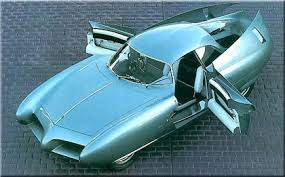
1954 Alfa Romeo BAT 7BAT 7
Italy finds new vitality singing the songs of the newborn Festival di Sanremo and enthusiastically following the challenges with pedal strokes between Coppi and Bartali. The liberated Europe becomes a great market and the first foreign orders arrive at Bertone. In 1952 those of MG and Bristol, in 1957 is the turn of the NSU, a German brand that entrusts Bertone with the production of Prinz Sport, a small two-cylinder “dressed” with grace by Franco Scaglione, recently at the court of Nuccio. An increase in work that leads the management to think of a larger plant to house the new plants and the employees, which have now reached 550. The building will be ready in 1959 in Grugliasco, just outside Turin. To mark the decade, however, is the collaboration with Alfa Romeo. The first approach is in 1953, when Nuccio entrusted Scaglione with the design of the Giulietta Sprint prototype, a model for which a production limited to 1000 units is planned.
Alfa Romeo Giulietta Spider
The Sixties are the period of the “Dolce Vita”, of the widespread wellbeing, of the mass motorization that runs on the new Autostrada del Sole and crosses the Alps from the newly inaugurated Mont Blanc Tunnel. And they are the years of maximum lightning of Italian touring, the “GT”. A sector that the whole world envies us and that Nuccio and his designers contribute to make famous. From this period some extraordinary models like the Alfa Romeo 2600 Sprint,
Alfa Romeo Sprint
in coupe and cabriolet version, two Ferrari 250 GT, one called Wax from the name of the client and the other used by Nuccio himself, the Aston Martin DB4 GT “Jet “and the Maserati 5000 GT.
Aston Martin DB4 GT jet
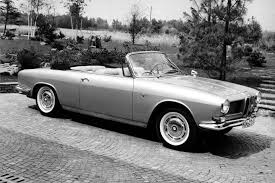
There are also many prototypes to remember, such as the Chevrolet Corvair Testudo, a concept destined not to have an industrial following and which Nuccio personally guides up to the 1963 Geneva Motor Show, or the 1964 Alfa Romeo Canguro made on the basis of Giulia TZ and Giulia GT in 1965. Without forgetting the “Ferrarina”, the ASA 1000 born from a project by Enzo Ferrari that will never land on the market despite the great interest that aroused. Industrial plans are also going well. From abroad the requests of BMW arrive to realize the 3200 CS
BMW 3200 CS
and Simca for the 1000 Coupé. From Fiat those for a small discovery based on the 850.
ASA 1000 Ferrarina
The seventies are still beginning in the name of Taurus with Jarama and Urraco (Lamborghini). But to shake the engine enthusiasts is a futuristic concept created by Gandini on the basis of the Lancia Fulvia HF, the Stratos Zero. A specimen that appears at the Turin Motor Show in 1970 arousing great fanfare and that will have a great competitive future with its road evolution, the Lancia Stratos HF.
Lancia Stratos ZeroLancia Stratos
The years of industrial consolidation begin. 1500 employees work at the Grugliasco plant and production is more intense than ever.
FIAT X1/9
Merit of the Fiat X1 / 9, small sport signed by the usual Gandini replacing the 850 Spider surpassing it in units produced: 160,000 from 1972 to 1988. And the new agreement with Volvo for the production of the 264 TE limousine and the refined coupé 262 C. Model exhibited for the first time at the Geneva Motor Show and for which Bertone is responsible for the entire production cycle, from the assembly of the raw body to the assembly of mechanical parts and the related road tests.
Volvo 262 C
The eighties / nineties are a decade of events that will change the course of history, from the explosion of the nuclear reactor at Chernobyl, from the discovery of the ozone hole over the Antardite to the fall of the Berlin Wall. In tale trambusto la Bertone prosegue la strada del rafforzamento industriale e finanziario rinunciando in parte alla realizzazione di concept spettacolari per concentrarsi nella produzione. D’altronde gli impegni sono sempre più severi. Dall’inizio del decennio la Bertone vende direttamente con il proprio marchio la Ritmo Cabrio e la X1/9.
Sono di questi anni pure gli accordi con Citroën e General Motors. Per la casa francese segue lo stile di due importanti modelli, la BX e l’ammiraglia XM. Con la filiale europea del colosso di Detroit Nuccio sigla nel 1987 un accordo commerciale per la produzione della Kadett Cabrio, seguita poi dall’Astra Cabrio e, negli anni seguenti, dalle versioni Coupé e Cabriolet della compatta Opel.
CITROEN XM
The last decade of the millennium opens with the commitment of Carrozzeria Bertone for the development of innovative technologies.
1994 Bertone ZER (Zero Emission Record)ZER
Eco-compatible expedients that Bertone puts into practice with another prototype with excellent aerodynamics (CX of 0.11): the ZER, acronym of Zero Emission Record.
Porsche Karisma Bertone
In this period there are plenty of style car shows like the Karisma of 1994, a strange sedan made on a Porsche basis, or the 1995 Kayak, a sleek coupe with the Lancia brand that some have defined the 2000 Aurelia B20.
Lancia Kayak
An unusual coupé-wagon based on Calibra, which was exhibited in Geneva in 1996, the Slalom, and the less enthusiastic sport utility derived from the Fiat Brava platform. On the production front, Bertone obtains, first in Italy in the automotive sector, the ISO 9001 quality certification of its Grugliasco plants. Where the top models are the cabriolets built on Opel Astra and Fiat Punto. To make it more sad the decade is the disappearance of Nuccio Bertone on February 26, 1997, a few days before the Geneva Motor Show where an unlikely Suv Alfa Romeo is exhibited.
Nuccio Bertone
The novel centenary of the Bertone family has entered by law in the history of Italy with the decree of the Ministry for Cultural Heritage and Activities which attributes to the Bertone Collection of historic cars held in Caprie (TO) the recognition of “national artistic heritage”.
I Lloyd’s, insieme alla società di modellazione RMS, hanno pubblicato un rapporto – intitolato “Counterfactual Disaster Risk Analysis: Reimagining history” – che descrive come una tipologia di pensiero laterale, chiamato counterfactual (controfattuale, ipotetico), possa essere applicato per contribuire all’analisi dei rischi da parte degli assicuratori.
“E se una tempesta solare avesse colpito Londra durante le olimpiadi del 2012? E se il vento avesse portato la contaminazione radioattiva verso l’interno quando gli impianti nucleari di Fukushima sono stati colpiti dallo tsunami nel 2011? E se l’Africa orientale fosse rimasta coinvolta in una guerra civile durante la crisi dell’Ebola nel 2014?”.
Eventi globali cruciali come questi – chiariscono dai Lloyd’s – avrebbero potuto svolgersi in modo molto diverso se le cose fossero accadute anche in modo lievemente differente. Il peggior disastro nella storia dell’aviazione, ad esempio, è stato evitato per poco lo scorso luglio quando un pilota di un aereo passeggeri che stava atterrando all’aeroporto di San Francisco è risalito all’ultimo secondo.
Il rapporto Lloyd’s – RMS parla di come l’analisi controfattuale di esiti peggiori – in altre parole considerare come eventi storicamente evitati per poco avrebbero potuto dar origine a disastri di grave entità – può essere svolta in pratica e divenire un punto di partenza per una futura ricerca riguardante eventi controfattuali e le loro caratteristiche.
Secondo i Lloyd’s il pensiero controfattuale produce una serie di benefici per gli assicuratori: “Il fatto che eventi controfattuali siano ancorati ad esperienze storiche reali – ha spiegato Trevor Maynard, Head of Innovation ai Lloyd’s – aiutano a rendere più semplici spiegazioni complesse, facilitano comprensioni più approfondite e rendono la comunicazione più coerente per i rischi futuri e la modellazione dell’incertezza per i consigli di amministrazione, i contraenti, gli assicuratori, i risk managers ed altre figure coinvolte”.
“Gli assicuratori – ha affermato Gordon Woo, Catastrophist presso RMS, ha aggiunto –trarranno beneficio dal poter esaminare il passato anche solo per realizzare ciò che sarebbe potuto accadere. Qualsiasi sia il passato, la comprensione dei rischi si origina dalla possibilità di esplorare come le cose avrebbero potuto voltare al peggio. Adottando una prospettiva controfattuale ed esplorando come gli eventi nella storia avrebbero potuto svolgersi differentemente, è possibile avere approfondimenti rispetto a perdite estreme rare che altrimenti potrebbero arrivare come una sorpresa”.
“L’analisi del rischio controfattuale – ha aggiunto Woo, riferendosi alla modellazione dei rischi – aiuta a evitare i pregiudizi che possono far parte di alcuni modelli basati sugli stessi gruppi di dati storici. Se si espandono i dati a disposizione includendo ciò che sarebbe potuto accadere, questi modelli possono essere costruiti affidandosi meno su singole fonti di dati, andando così a migliorare la loro accuratezza. L’analisi è inoltre uno strumento utile per le autorità di supervisione al fine di testare i modelli di rischio catastrofali”.
“Il rapporto descrive come applicare il pensiero controfattuale sistematicamente – ha concluso Maynard –. Ai Lloyd’s sappiamo che viene già operata un’attenta gestione del rischio e questa nuova metodologia dovrebbe essere considerata come un utile complemento alla serie di strumenti già a disposizione di assicuratori e risk managers. Dopo un disastro gli analisti del rischio tendono a studiare con cura cosa è accaduto ma poca attenzione viene riservata a cosa sarebbe potuto accadere. Sicuramente questa attività è tecnicamente più impegnativa ma noi riteniamo che gli assicuratori trarranno benefici dalla valutazione sistematica dall’analisi controfattuale”.
Intermedia Channel
BY GOOGLE TRANSLETOR:
Lloyd’s, together with the modeling firm RMS, have published a report – entitled “Counterfactual Disaster Risk Analysis: Reimagining History” – which describes how a type of lateral thinking, called counterfactual (counterfactual, hypothetical), can be applied to contribute to risk analysis by insurers.
“What if a solar storm hit London during the 2012 Olympics? What if the wind brought inward radioactive contamination when Fukushima’s nuclear facilities were hit by the tsunami in 2011? What if East Africa was involved in a civil war during the Ebola crisis in 2014? “.
Crucial global events such as these – make it clear from Lloyd’s – could have taken place very differently if things happened even slightly differently. The worst disaster in aviation history, for example, was barely avoided last July when a pilot from a passenger plane that was landing at San Francisco airport climbed back to the last second.
The Lloyd’s – RMS report talks about how counterfactual analysis of worse outcomes – in other words, considering how events historically avoided could have caused serious disasters – can be carried out in practice and become a starting point for a future research concerning counterfactual events and their characteristics.
According to Lloyd’s counterfactual thinking produces a series of benefits for insurers: “The fact that counterfactual events are anchored to real historical experiences – said Trevor Maynard, Head of Innovation at Lloyd’s – help to simplify complex explanations, facilitate understandings more in-depth and make the communication more coherent for future risks and the modeling of uncertainty for the boards of directors, contractors, insurers, risk managers and other figures involved “.
“Insurers – said Gordon Woo, Catastrophist at RMS, he added – will benefit from being able to examine the past just to realize what could have happened. Whatever the past, the understanding of risks arises from the possibility of exploring how things could have turned to the worst. By adopting a counterfactual perspective and exploring how events in history could have unfolded differently, it is possible to have insights into extreme rare losses that might otherwise come as a surprise. ”
“The counterfactual risk analysis – added Woo, referring to risk modeling – helps to avoid the prejudices that may be part of some models based on the same historical data sets. If you expand the data available to include what could have happened, these models can be built by relying less on individual data sources, thus improving their accuracy. The analysis is also a useful tool for supervisory authorities in order to test catastrophe risk models “.
“The report describes how to apply counterfactual thinking systematically – concluded Maynard -. At Lloyd’s we know that careful risk management is already under way and this new methodology should be considered as a useful complement to the series of instruments already available to insurers and risk managers. After a disaster, risk analysts tend to study carefully what happened but little attention is given to what could have happened. Surely this activity is technically more demanding but we believe that insurers will benefit from the systematic evaluation of counterfactual analysis “.
According to some authoritative experts. the colors of our cars reflect the political and economic conditions of the moment. If white remains the color preferred by customers, it is not just because “white is beautiful” as they say to Apple, but also because, according to BASF’s experts, it is a symbol of purity and a search for rebirth. In this direction is also the announced revival of the red and that, along with orange, is an indication of desire for optimism, rebirth, desire to start again after a period of crisis. Blue is also on the rise.
Fashion, traditions and local cultures affect the choices of the public in a different way. And above all, they not only represent customers’ tastes, but also choices made a priori by the builders.
TO US LIKE BLACK
All black
The colors of the car: tell me which one you choose and I’ll tell you who you are…here’s how others label us…
Brown? Sad, surly and rude. Red? Happy and adventurous.
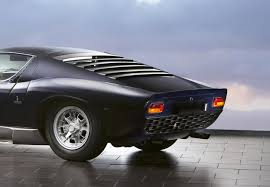
Black Lambo
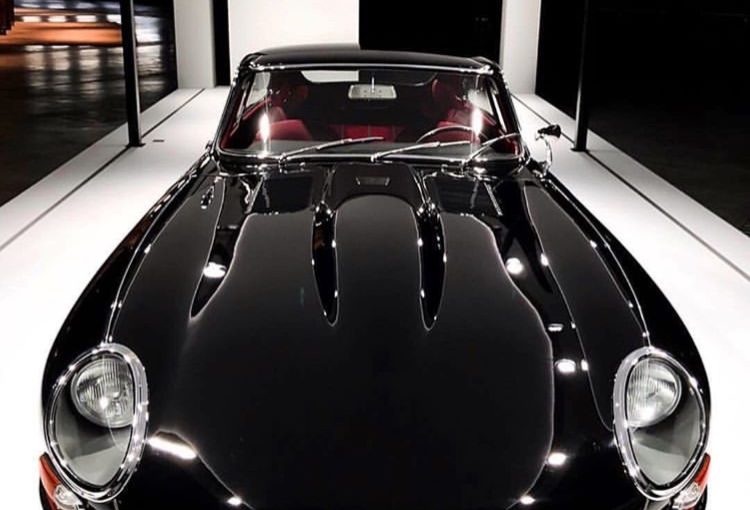
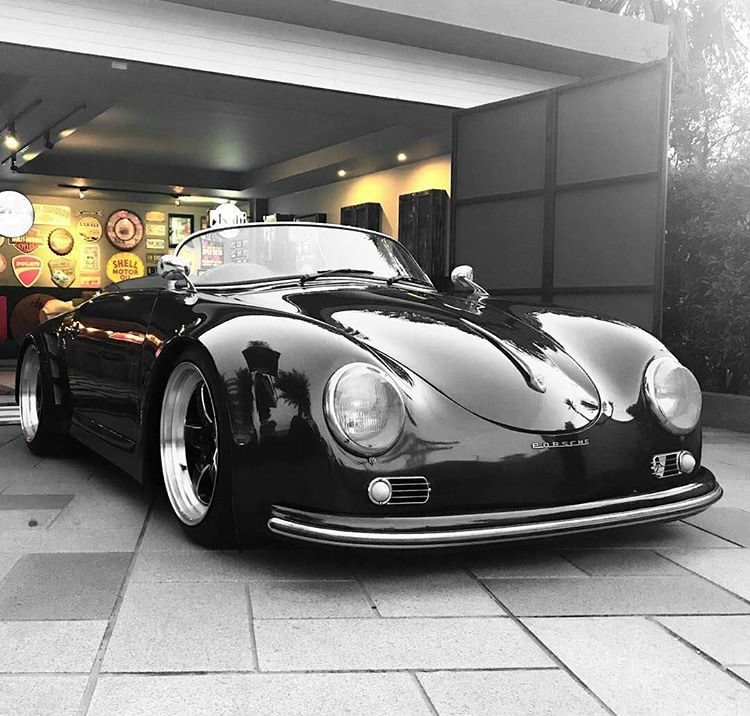
Black? Charming and intelligent, but also selfish.
Cavallino neroMercedes 190 SL
…the painting chosen during the purchase phase communicates something of us to the next one.
Romano Pisciotti: prototipi FIAT mai entrati in produzione
Experimental prototype vehicle powered by gas turbine engine, presented by Fiat in April 1954. The engine consists of a two-stage centrifugal compressor coupled to a pure two-stage turbine and a drive turbine connected to a gear reducer unit for the transmission of the motion to the wheels.
Two-seater berlinetta body of excellent aerodynamic profiling, experimented on models in the Wind Tunnel of the Polytechnic University of Turin. The practical tests were carried out on the Caselle airport runway.
Prototipo sperimentale di vettura azionata da turbomotore a gas, presentato dalla Fiat nell’aprile del 1954. Il propulsore è costituito da un compressore centrifugo a due stadi accoppiato a una turbina pure a doppio stadio e ad una turbina motrice collegata a un gruppo riduttore a ingranaggi per la trasmissione del moto alle ruote.
Carrozzeria berlinetta a due posti di ottima profilatura aerodinamica, sperimentata su modelli nella Galleria del Vento del Politecnico di Torino. Le prove pratiche furono effettuate sulla pista dell’aeroporto di Caselle.