Land of Fire: Divine forces flowing to the sea in crystal rivers between lava rocks and deep lakes, invisible to mortals and to the envious Moon; theatre of magnificence for the Deities that reign the Earth, battlefield for the splendour of the God who rules the waves: infinite clash for the power of beauty.
Romano Pisciotti
Terra del fuoco: Divine forze scorrono al mare in fiumi di cristallo tra rocce di lava e laghi profondi, invisibili ai mortali e alla Luna invidiosa; teatro della magnificenza per le Divinità che regnano la Terra, campo di battaglia per lo splendore del Dio che regna le onde: infinita battaglia per il potere della bellezza.
Romano Pisciotti
L’Etna – la Montagna degli DeiEtna – la potenzaFiume di lavaThe Valley of TemplesLa bellezza della luceMilazzoTaormina e l’Etna innevatoThe beaches of Favignana
Shockwaves are still being felt in South Africa after President Cyril Ramaphosa’s controversial announcement that the country’s constitution is to be changed to explicitly allow for the expropriation of land without compensation.
Markets reacted negatively and the currency, the rand, has continued to plummet over the last week.
This is because the plan has invited comparisons with the chaotic land reform programme across the Limpopo River in neighbouring Zimbabwe, which saw scenes of violent evictions of mainly white farmers.
But the move will be welcomed by those tired of waiting for reforms promised when white-minority rule ended in South Africa in 1994.
Nearly a quarter of a century on, the racial differences are still stark, nowhere more so than in the area of land ownership.
(Flag) South Africa
White people, who make up just 9% of the population, own 72% of the private land that is held by individuals, government figures show.
The redistribution of land was a fundamental principle of the governing African National Congress (ANC) during its struggle against apartheid, which enshrined racial discrimination in law.
(Inauguration of Zimbabwe President Emmerson Mnangagwa has been halted after a legal challenge by the opposition against the election result.)
Zimbabwe
The deadly violence that followed Zimbabwe’s first election since Robert Mugabe was ousted has created tension in a country that was hoping to put its past behind it, says BBC Africa editor Fergal Keane.
The political drama in this country has oscillated between euphoria, tragedy and farce – from a remarkably peaceful election day, to the shooting down of unarmed protesters, to the extraordinary sight of a president disowning the actions of his own police.
Each day has produced the unexpected and created a febrile atmosphere in which questions about who really controls this country have deepened.
Is it Emmerson Mnangagwa, who took over as president after the military takeover in November and won Monday’s disputed presidential vote, or hardliners steeped in the brutal practices of the Mugabe era?
Signals of hope
Events since the vote have not inspired much faith.
Soldiers beat civilians in several opposition strongholds of the capital, Harare.
Proving his mettle with the Ferrari GG50, Giorgetto Giugiaro paints in glowing colors a great adventure
FERRARI GG50
“To mark 50 years of activity in the world of car design, I decided to sculpture a Ferrari to the memory of that great adventure and enjoy it with my family”. Giorgetto Giugiaro fashioned and commissioned a project that spilled into stretching horizons, in that he became concurrently – for the first time ever -supplier and customer of the new car.
recognised by millions of customers around the world and prestigious international awards
Daily IVECO
The IVECO Daily is celebrating 40 years of pushing the boundaries of innovation, versatility and efficiency in light commercial vehicles. Since it was first launched in 1978, it has introduced ground-breaking innovations that have changed the industry: from the adoption of a truck-derived chassis with rear traction and independent front suspension, to the introduction of Common Rail technology in 1999 – a world first – or the advanced Electronic Stability Program (ESP) for regulating vehicle handling during steering and braking.
Over the years since its launch, the Daily has constantly evolved to meet the changing needs of customers, always remaining true to its DNA. It has led the way with its efficient and environmentally friendly technologies, as these demands have become increasingly critical to the transport sector. To this date, it is ahead of the industry in sustainability with the unique concept of the Daily Blue Power: a vehicle family that frees transport operators from the constraints of the strictest environmental regulations and was awarded the title of “International Van of the Year 2018”.
The more than 3 million Daily vehicles, manufactured on 3 continents, which are on the roads in 110 countries are testament to this family’s popularity and exceptional capacity for adapting to meet the specific needs of our customers across the world.
Se per privatizzazione intendiamo la cessione del controllo del capitale azionario di aziende pubbliche, dovrebbero essere stabiliti alcuni punti fermi, che purtroppo raramente non sono stati né rispettati né, in molti casi, nemmeno richiesti. Non serve dire genericamente che bisogna tutelare l’interesse pubblico.
Il primo principio da far rispettare è che chi compra deve avere i soldi. Come si dice, lo deve fare con «mezzi propri». Autofinanziamento, no debiti bancari, no aumenti di capitale strani, denaro contante proveniente dalle casse dell’acquirente. E le banche devono stare alla larga dal capitale azionario che viene rilevato, non sono soci ammissibili in un processo di privatizzazione. Insomma le privatizzazioni si pagano cash, non si fanno pagare ad altri. Le privatizzazioni sono una strada da percorrere importante, ma non indispensabile, e si fanno solo se l’economia del paese funziona, altrimenti risultano peggiori della proprietà pubblica. Lo Stato non può fare cassa impoverendo i consumatori e danneggiando l’economia del paese.
acqua
Il secondo punto riguarda gli interessi prevalenti. Che devono essere quelli dei consumatori o quelli degli utenti, nel caso di aziende di servizi. Un processo di privatizzazione deve comportare in primo luogo un miglioramento, qualitativo e quantitativo dei beni prodotti, un vantaggio per i consumatori, altrimenti è meglio stare tutti a casa propria e lasciare le cose come stanno. Terzo e ultimo, gli acquirenti devono garantire una stabilità della compagine azionaria, almeno fino a quando sono stati in grado di dimostrare che l’azienda privatizzata è in grado di reggersi sulle sue gambe a livelli pari o superiori alla precedente situazione a prevalente capitale pubblico.
Aziende un po’ tutte borderline, a un passo dal baratro, ma cruciali per il nostro paese. Anche per queste dovrebbe valere l’aureo principio che «è il gatto a tirare la coda e non la coda il gatto». Cioè, se certi obiettivi prioritari sono raggiungibili, le privatizzazioni si possono fare, altrimenti meglio lasciar stare. Abbiamo già dato con svendite del patrimonio industriale pubblico, che si sono rivelate un danno permanente e una perdita per tutti.
A new package of sanctions will be imposed by Washington in November: they will affect oil, banks and shipbuilding and shipbuilding sectors. In fact, for the White House, Tehran did not follow the nuclear agreements stipulated in 2015, which is why the United States withdrew from the agreement last May. Europe, on the other hand, believes that Iran is respecting its commitments.
PAX
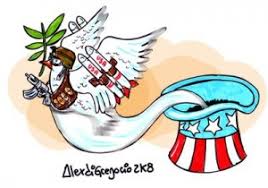
Trump: ‘Chi fa affari con loro ha chiuso con noi’.
Un nuovo pacchetto di sanzioni verranno imposte da Washington il prossimo novembre: interesseranno petrolio, banche e settori della cantieristica e delle spedizioni navali. Per la Casa Bianca, infatti, Teheran non ha dato seguito agli accordi sul nucleare stipulati nel 2015 ragion per cui gli Stati Uniti, lo scorso maggio, si sono ritirati dall’accordo. L’Europa, invece, ritiene che l’Iran stia rispettando gli impegni
Air Force One
Air Force one…two…three
Adelchi – Chorus of the Third Act
And the hoped prize, promised to those strong men,
Would be – oh, deluded! – to overturn the destiny,
To put an end to the pain of a stranger crowd?
Go back to your superb ruins,
To the peaceable works of your scorching workshops,
To the furrows wet with servile sweat.
The strong enemy mingles with the defeated one,
The new lord remains with the old one;
Both peoples weigh on your neck.
They divide serves, divide herds,
They rest together on the bloody fields
Of a dispersed crowd which has no name.
Coro dell’atto terzo dell’Adelchi
E il premio sperato, promesso a quei forti
sarebbe, o delusi, rivolger le sorti,
d’un volgo straniero por fine al dolor?
Tornate alle vostre superbe ruine,
all’opere imbelli dell’arse officine,
ai solchi bagnati di servo sudor.
Il forte si mesce col vinto nemico;
col novo signore rimane l’antico;
l’un popolo e l’altro sul collo vi sta.
Dividono i servi, dividon gli armenti;
si posano insieme sui campi cruenti
d’un volgo disperso che nome non ha.
Romano Pisciotti: chi ha autorizzato gli USA a diventare i poliziotti del mondo?
Nel mondo, milioni di persone vivono con due dollari il giorno e ancora più persone sperano di poter arrivare a guadagnare due dollari il giorno, altri ancora non hanno neppure la speranza e altri ancora neppure sanno che cosa sia il dollaro.
La strage
I ragazzi che si sono schiantati con il pulmino in Puglia, probabilmente, guadagnavano cinque euro il giorno e viaggiavano su un pulmino meno scassato di quelli che costituiscono la logistica del trasporto in gran parte dell’Africa, movimentando persone pigiate insieme a bagagli e animali.
I sostenitori della globalizzazione ritengono un successo l’aumento dell’economia e del benessere mondiale: in effetti, cinque euro il giorno, per pochi “fortunati”, sono un bel successo.
In Italia pensavamo di aver sradicato la piaga del caporalato, ma i nuovi schiavi (non tutti provenienti da paesi lontani) ci ricordano le loro pene, mentre la teoria post-industriale ci spiega che la competizione fa bene all’economia.
Forse la vera piaga è la globalizzazione che si regge su una guerra tra poveri e sul mito del “low cost”…poco importa se il conto finale costa la perdita del lavoro, dei diritti, della dignità e, per non pochi, anche la perdita della vita.
Gli ipocriti si preoccupano di mandare delle navi a ricuperare i naufraghi, ignorando che la gente non annega nel Mediterraneo, ma in un mondo che ha perso, se ne aveva, ogni logica…se non quella degli algoritmi e della finanza fantasiosa.
Vittime non sono solo i morti…il camionista che guidava il TIR, contro il quale i giovani africani si sono schiantati, sarà rovinato per tutta la vita: gli incubi lo tormenteranno.
Sicuramente, il fatto, è “solo” un incidente, si potrà catalogare come danno collaterale di una guerra di cui non si vede la fine.
Anche ai “piani alti” la recessione, causata da uno stravolgimento dei solidi fattori che hanno governato l’economia per secoli, non concede tregua: la ricchezza della generazione dei baby boomers è svanita. Chi è nato tra il 1945 e il 1964, sia in Europa sia nella “ricca” America, si è visto diminuire il potere d’acquisto delle pensioni, aumentare le spese mediche, diminuire il valore dei risparmi investiti in immobili e sta subendo ogni tipo di vessazione finanziaria da Stati sempre più arroganti e Banche sempre più legate al mondo finanziario privato.
Dati alla mano, il numero di persone che hanno dichiarato bancarotta è stato, ultimamente, il triplo di quello del 1991 (studio The Bankruptcy Project): la generazione del baby boom sta invecchiando peggio dei loro genitori. Il dramma è per le nuove generazioni che, mentre ci si riempie la bocca dei miracoli della tecnologia, non riescono a trarre concreti benefici per la vita quotidiana da questo mondo “veloce” e “piatto”
Forse si andrà presto su Marte, non mancheranno i candidati, perché peggio che qua….
A critical question is whether Africa’s surge represents a one-time event or an economic take-off. The continent’s growth also picked up during the oil boom, but slowed sharply when oil and other commodity prices collapsed during the last years.
Today, individual African economies could suffer many disappointments and setbacks. While short-term risks remain, Africa has strong long-term growth prospects, propelled both by external trends in the global economy and internal changes in the continent’s societies and economies.
Centauro II: l’autoblindo italiano 8×8
All’inizio degli anni ’90 quello italiano è stato il primo esercito al mondo a poter disporre di un veicolo blindato su ruote in grado di affrontare i carri armati cingolati. Stiamo parlando dell’autoblindo Centauro, che è stato pensato per avere una maggiore mobilità nei teatri operativi urbani (cioé su strada o su tracciati preparati) ma poter operare anche come cacciacarri,grazie al suo armamento.
L’evoluzione di quel veicolo – acquistato anche dagli eserciti di Spagna, Giordania e Oman – è il Centauro II, che mantiene le caratteristiche vincenti del primo progetto, adattandole alle nuove sfide operative di questi anni e dei decenni a venire. Prodotto dal Consorzio Iveco Oto Melara (divisione di Leonardo, ex Finmeccanica).
Centaur II: the Italian 8 × 8 armored car
At the beginning of the 1990s, the Italian army was the first army in the world to have an armored vehicle on wheels capable of dealing with crawler tanks. We are talking about the Centauro armored car, which was designed to have greater mobility in urban operating theaters (ie on roads or prepared tracks) but can also operate as a tank destroyer, thanks to its armament.
The evolution of that vehicle – also purchased by the armies of Spain, Jordan and Oman – is the Centaur II, which maintains the winning characteristics of the first project, adapting them to the new operational challenges of these years and decades to come. Produced by the Iveco Oto Melara Consortium (division of Leonardo, formerly Finmeccanica).
CENTAURO
Romano Pisciotti: Produced by the Iveco Oto Melara Consortium