Il pregiudizio

Confrontiamo una terzina Dantesca con una citazione di Einstein

Pd I – 88,90

e cominciò: «Tu stesso ti fai grosso col falso imaginar, sì che non vedi

ciò che vedresti se l’avessi scosso.

e cominciò a dire: «Tu stesso ti impedisci di capire pensando cose false, così che non vedi ciò che invece vedresti se avessi scacciato questo pregiudizio.

E’ più facile disintegrare un atomo che un pregiudizio
Albert Einstein

“Il pregiudizio è un processo che porta ad attribuire a una persona sconosciuta i tratti e le caratteristiche ritenute tipiche del suo gruppo di appartenenza”
Il pregiudizio può essere sia negativo sia positivo, si può avere una immagine o positiva o negativa rispetto a una categoria di persone e di conseguenza si opereranno comportamenti positivi o negativi verso quella categoria, se il pregiudizio è molto negativo si può arrivare alla discriminazione. Il pregiudizio può essere considerato come un fenomeno ordinario e quotidiano, riscontrabile tra la gente comune che deriva probabilmente dagli stessi processi cognitivi e sociali che influenzano tutti gli aspetti della nostra esistenza. Esso riflette i processi cognitivi in quanto è un prodotto della nostra percezione del mondo e del tentativo di dargli un senso. L’attivazione e l’applicazioni di categorie e di stereotipi avviene in modo automatico e inconsapevole.
Molti esperimenti nella letteratura confermano che lo stereotipo di un gruppo sociale sia difficile da cambiare, in quanto vengono alimentati da nuove informazioni negative e non vengono neppure attivati quando le informazioni sono positive.
Perciò è molto più facile confermare uno stereotipo piuttosto che smentirlo. Si ottiene così un circolo vizioso che funziona come una profezia che si autoavvera: la categorizzazione, la formazione di preconcetti, la conseguente attuazione di comportamenti e la conferma delle aspettative iniziali.
“l’attivazione di una precisa aspettativa produce comportamenti e atteggiamenti coerenti con essa, che a loro volta sono in grado di produrre le basi per una conferma dell’aspettativa stessa”

Romano Pisciotti: navigando il web

Pisciotti
Romano Pisciotti

Creative destruction

How Antitrust Regulation Hinders Innovation and Competition

Few economic concepts elicit such strong reactions as that of monopoly, and the policy intended to address it—antitrust regulations (called competition policy in the European Union). Yet, both supporters and opponents of antitrust regulations agree on one fundamental point—that effective competition is vital to the American economy and the welfare of its citizens. However, they differ in how the law should encourage this. There are essentially three schools of thought regarding antitrust policy:

  1. Interventionist. Regulators should use the law proactively to break up companies that are abusing their market power and restore a competitive market. The size of a company is a good guide as to when this should be done.
  2. Consumer welfare. Abuse of market power is rare and dominant market positions can be achieved through delivering improvements in consumer welfare. Therefore, antitrust laws should be used not to break up companies that have grown big through successful competition, but to address instances of collusion, price fixing, or other anti-competitive behavior.
  3. Free market. Antitrust law is unnecessary. Market processes routinely undermine monopolies—and attempts to create monopolies. Laws against “unfair competition” prevent property owners from experimenting with joint ventures and other innovations that can improve consumer welfare.

Until recently, there was a sharp partisan divide between these schools, which can be roughly described as liberal, conservative, and libertarian, respectively. Traditionally in practice, this meant that antitrust conservatives would more often side with the libertarian camp, while leaving some room for cooperation with the liberal faction. However, the recent rise of “big tech” has led some conservatives to turn to the most interventionist approach with a zeal that threatens innovation in America’s world-leading technology industry.

The interventionist approach suffers from the same problems classical liberal economists have long identified with government interventions in markets.

First, there is the “knowledge problem”—how do regulators know better than the market what the best market structure is?

Then there are what are known as public choice considerations—regulators might exercise their powers to promote their own preferred policy positions. The very existence of those powers will lead to intense lobbying by regulated entities—both those seeking regulatory relief and those who benefit from entry barriers that limit competition from potential new entrants in a market.

The consumer welfare approach also has problems. Retaining antitrust law as an option that may be used against entrepreneurs carries the same threat to innovation posed by the interventionist approach. For instance, politicians with an animus against certain companies may pressure regulators into opposing mergers involving those companies. Regulators assessing unfair competition will not be immune from the knowledge problem and public choice effects. Entrepreneurs, eager to avoid provoking antitrust enforcement actions, will be dissuaded from pursuing innovations that might run afoul of the law.

The third approach, abolishing antitrust law, is extremely controversial. There is a widespread belief, among policy makers, the media, and the public, that without the threat of antitrust law, companies will disregard customer preferences, extract excessive profits, and kill off competitors. Yet there is no such thing as a dominant market position unless it is guaranteed by government. AOL, Borders, Blockbuster, Sears, Kodak, and many other firms once considered dominant in their markets have fallen as the result of competition, without any antitrust action.

This process of creative destruction, succinctly described by the economist Joseph Schumpeter, is a major driver of the kind of innovation that helps raise living standards. It will surely continue unless, ironically, antitrust regulators gain too much power. Were that to happen, large firms will be tempted to reach accommodations with a government that restricts their activities in exchange for not being broken up. Those accommodations will usually include protections and guarantees that act as entry barriers against potential innovative challengers. The result will be less competition, fewer innovations, and lower consumer welfare.

Creative destruction is the best answer to dominant market positions. Rather than use antitrust law aggressively, those who wish to see big companies fall quickly should instead work to end antitrust law. As for other barriers to creative destruction—for instance, financial regulations that make launching an initial public offering of stock prohibitively costly—increased competition can be achieved through deregulation in those other areas.


Presented by Romano Pisciotti

BMW contro Google

 Cpt. Romano Pisciotti on Google and BMW contest

Alphabet è il ramo di BMW che si occupa dei servizi di mobilità aziendale.

BMW Logo
BMW Logo

Quando lunedì Google ha annunciato la nascita di Alphabet, la mega società che riorganizza la galassia di Mountain View per privilegiare lo sviluppo di nuovi progetti, lo ha fatto con un sito ufficiale un po’ insolito: il portale dell’azienda non è Alphabet.com ma abc.xyz. Questo perché Alphabet.com appartiene a BMW, che non ha la minima intenzione di vendere il dominio a Big G. Anzi, l’azienda tedesca non ha apprezzato l’uso di un marchio identico al suo.

Pisciotti Romano, commento: a google sarebbe bastato usare un motore di ricerca per scoprirlo !!!!

Cpt. Romano Pisciotti on Google and BMW contest
Cpt. Romano Pisciotti


China devalues yuan currency to three-year low

cina usa estradizione capitali forse azione criminale


China’s central bank has devalued the national currency, the yuan, to its lowest rate against the US dollar in almost three years.

dollaro usa yuan cina azioni al limite della criminalità considerare le implicazioni future
yuan


The lender said the move was a “one-off depreciation” of 1.9% in a move to make the exchange rate more market-oriented.


Romano Pisciotti surfing web

romano pisciotti ...notizia da tenere sott'occhio....
…notizia da tenere sott’occhio… suggerimento di Romano Pisciotti

Segnalata da Pisciotti Romano

Le Sentenze della Corte Europea dei diritti dell’uomo

la Corte Europea dei Diritti dell’Uomo si è pronunciata su ben 13 vicende giudiziarie che cittadini europei, e non, hanno sottoposto al suo sindacato. L’oggetto è, per tutte, il medesimo: violazioni dei diritti umani sanciti e protetti dalla Convenzione Europea dei Diritti dell’uomo. Gli stati coinvolti e giudicati sono: Francia, Grecia, Azerbaijan, Belgio, Croazia, Russia ed Ucraina; tutti sono risultati colpevoli, a vario titolo, di quelle violazioni e molti dovranno risarcire i danni arrecati alle vittime.

Corte Europea estradizione criminale primo caso first case extradition
Corte Europea

Interim measures ed estradizione: come la Corte previene la violazione dei diritti umani
La giustizia che si può ottenere a Strasburgo non brilla di speditezza. Basta guardare le date in cui sono stati proposti i ricorsi di oggi (ve ne sono ben due del 2004!) per capire che ha ragione chi dice che la Corte Europea “è vittima del proprio successo“. Troppo ricorsi per un giudice che dovrebbe intervenire soltanto a quelle violazioni sfuggite dal controllo dei singoli paesi. Gli Stati controllano poco e male, e così i ricorsi fioccano in gran numero, intasando il giudice europeo e rendendo decennali i tempi di una causa. Non a caso le nuove tendenza di riforma del sistema convenzionale, che vengano dagli stati (il Protocollo XV ridurrà il termine entro il quale proporre ricorso da 6 a 4 mesi) o dalla stessa corte (le sentenze pilota danno respiro alla corte, mentre gli stati risolvono disfunzioni strutturali), sono nel senso di ridurre la mole del contenzioso..
Ma accanto a quel binario, rallentato e appesantito, ve n’è un altro, molto più spedito: la Corte Europea dei Diritti dell’Uomo può concedere in tempi brevissimi Interim measures a favore del ricorrente per evitare e prevenire le violazioni dei diritti umani. Come le comuni misure cautelari, anche queste interim measures sono concesse non al termine bensì all’inizio di un processo, e servono non a fare giustizia (come la sentenza che accerta le responsabilità degli stati e dispone l’equa riparazione) bensì per prevenire una imminente ingiustizia.

Pisciotti Romano: surfing web

Romano Pisciotti: stop alle estradizioni

first case usa europa extradition Stop extraditions
Stop extraditions

Google unveils surprise restructuring under Alphabet

Google has unveiled a surprise restructuring, creating a new parent company called Alphabet Inc.


google
google


Under the rebranding, Google will retain its best-known businesses, such as search, apps, YouTube and Android.
Some of the newer entities, such as the investment and research divisions, the “smart-home” unit Nest, and the drone arm will be run under Alphabet.
Google founder Larry Page said it would create a simpler structure for what had become a diverse group of businesses.
“This new structure will allow us to keep tremendous focus on the extraordinary opportunities we have inside of Google,” he said in the blogpost.”Our company is operating well today, but we think we can make it cleaner and more accountable,” he said. “The whole point is that Alphabet companies should have independence and develop their own brands.”
Mr Page will become chief executive of Alphabet, with senior vice president Sundar Pichai becoming CEO of Google.
Mr Page’s fellow Google co-founder Sergey Brin will become president of Alphabet, and Eric Schmidt, the current Google chairman, will be executive chairman of the holding company.
What’s in a name?
Google’s new chief financial officer, Ruth Porat, will hold the same title for both Google and Alphabet.
BGC Partners’ investment analyst Colin Gillis said the new structure should give investors greater clarity on strategy and how much Google was spending on new products.


Pisciotti Romano

Romano Pisciotti, 2015
...notizia da tenere sott'occhio....
…notizia da tenere sott’occhio….

Romano Pisciotti

“When my ship will no longer be the courage, pride and hope of a people … she will no longer have a flag.”

Romano Pisciotti

“Quando la mia nave non sarà più il coraggio, l’orgoglio e la speranza di un po’ popolo…non avrà più bandiera.”

R.P.

romano pisciotti italmotor rex

Capt. Romano Pisciotti

Industrial & Business Management Expert

After an important experience as naval officer,

I worked on behalf of important international companies in Argentina, Brazil, Egypt, Italy and Nigeria with full responsibility, in a managerial position.

I have actively participated at the business start-up of new operating units both in Italy and abroad.

I have been fully involved in the restructuring of companies and the regeneration of business activities. In my different experiences, I have directed multi-ethnic work groups even in stressful environments.

I have lived for more than six years in Nigeria where I have had significant experiences as General Manager.

My current activities still bind me to Africa, to Lagos, as a business consultant and teacher at the Rome Business School

I have never neglected the professional upgrading by following courses at qualified universities.

“…Ho gli anni che mi servono per vivere libero e senza paure.

Per continuare senza timore il mio cammino, perché porto con me l’esperienza acquisita e la forza dei miei sogni.

Quanti anni ho, io? A chi importa!

Ho gli anni che servono per abbandonare la paura e fare ciò che voglio e sento.”

José Saramago

“…I have the years I need to live free and without fear.

To continue my journey without fear, because I carry with me the experience I have acquired and the strength of my dreams.

How old am I? Who cares!

I have the years I need to abandon fear and do what I want and feel.”

(José Saramago)

Commercial Developer

Motor Parts Industry (IVECO, Lagos – Nigeria)

italmotor@gmail.com

Pisciotti

Romano Pisciotti
“Quando stai per rinunciare, quando senti che la vita è stata troppo dura con te, ricordati chi sei: un marinaio di una volta. Ricorda il tuo sogno“.

“When you are about to give up, when you feel that life has been too hard on

you, remember who you are:

a sailor of yesteryear. Remember your dream “.

BUGIE // falsehood

“Sailor sailed and prepared manager”

Navy
Accademia Navale – Naval Academy

Teacher at the Rome Business School

Pisciotti

Romano Pisciotti: Rome Business School

Beautiful people are not born out of nothing.

La Verità

Brilli più degli altri, questo è difficile da sopportare per alcune persone

BUSINESS & MARKETING

I FORTI E I COLPI DEL DESTINO

The defense of partisan positions is certainly legitimate, while the dissemination of untrue information is always unacceptable.

La difesa delle posizioni di parte è certamente legittima, la diffusione di informazioni non veritiere è invece sempre inaccettabile.

Siamo tutti cattivi nella storia di qualcuno

We are all bad in someone’s story

La memoria dell’impresa // The memory of the company

https://www.romanopisciotti.com/index.php/2025/08/24/fatti-non-foste/

Mail to: italmotor@gmail.com

THE ROME BUSINESS SCHOOL NIGERIA

Master License

Le quattro parche

Onestà e sogno

sono morti

sotto le mura d’Invidia

e paludi di Gelosia.

Non c’è storia

quando l’Infamia

rammenda le verità

di cuciture incerte

imbastite da giochi

d’altri interessi.

Non c’è riscatto

ma solo vociare

dopo squallide sentenze

di Vergogna.

Il cuore batte e

non s’arrende mai

ai pupetti di bottega.

Romano Pisciotti

Fai attenzione a chi chiami amico perché uno dei nemici più spaventosi sulla terra sono quelle persone che fingono di essere tuo amico.

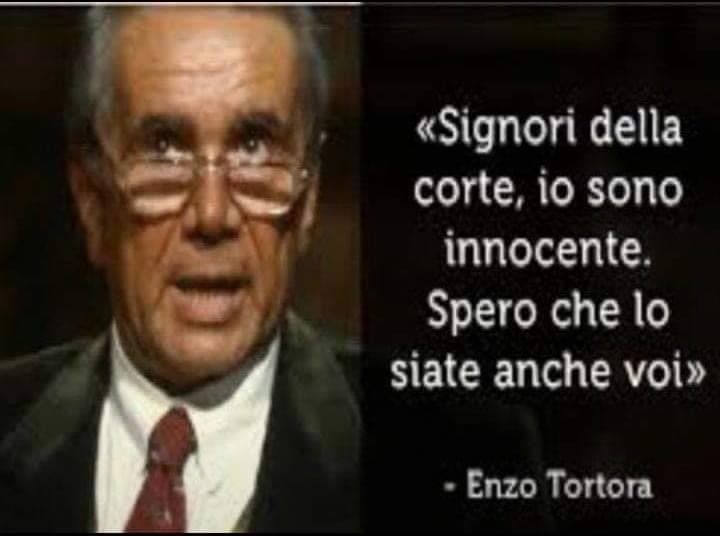
Gentlemen of the Court, I am innocent … I hope you are too
Vite da capitano

China and America dominate global business like never before. That should be a wake-up call for other countries.

You will always be the villain in a badly told story


FELICE

Ti sono vicino

con le lacrime

e il sorriso,

l’ansia

e la certezza.

Sono sicuro

di aver vissuto

felice

accompagnandomi

alla tua anima.

Romano