Hello to all friends of slow smoking

…ending the day with a good Toscano (Tuscan) cigar is a very pleasant habit!

Toscano is the trade name of a type of bitroncoconic cigar produced in Italy originally by the Italian tobacco monopoly with untreated but naturally fermented Kentucky tobacco. TOSCANO® is a registered trademark of Manifatture

FACTORY IN LUCCA
For almost 130 years, beginning in 1818, cigar manufacturing took place mainly in Florence. But in the years following the postwar period the ‘stortignaccolo’ or ‘crooked cigar’ left the Tuscan capital for good and transferred its production to factories in Lucca and Cava de’ Tirreni.
 
Starting from around 1853 until June 2004 the main Lucca factory was based in a former convent for Dominican nuns. Since then, production has been moved to a more modern and functional building in Mugnano, on the outskirts of Lucca.

FACTORY IN CAVA DE’ TIRRENI

Tradition has it that the first tobacco plantations, in Campania, were introduced by Joachim Murat during the Realm of Naples. Ever since antiquity it was considered a very precious plant. The calamities that befell the Realm of Naples did not stop tobacco production, which from then on became a source of income for the population of Cava de’ Tirreni.
From 1912 Cava de’ Tirreni is one of the main productions sites of the famous Italian cigar.

https://www.manifatturesigarotoscano.it/en/

https://www.facebook.com/groups/47470620736


Romano Pisciotti: LIKE

NIGERIA: Bio-fortified Crops, sustainable but not sufficient


In Nigeria, climatic zone is divided into three main categories: a tropical forest from the south to the north; a savanna in the middle with 800 to 1,200 mm of annual rainfall; and a Sahel, semi-arid land in the north, with 300 to 800 mm of annual rainfall. There are two climatic seasons, rainy season (May to October) and dry season. Since agricultural production mainly relies on rainfalls, the crop cultivation is influenced by seasonality and the amount of rainfalls every year.

In addition to the climatic influence, product losses due to storage and transport methods must be considered.

The result is a lack of vitamins to which is added a very deficient situation for the supply of animal-derived proteins (poultry, etc.). Intensive animal breeding is under development, but due to the precariousness of agricultural supply and for the health situation, the sector must be developed with the support of controlled nutrients for animal welfare and an increase in production.


Presented by Romano Pisciotti

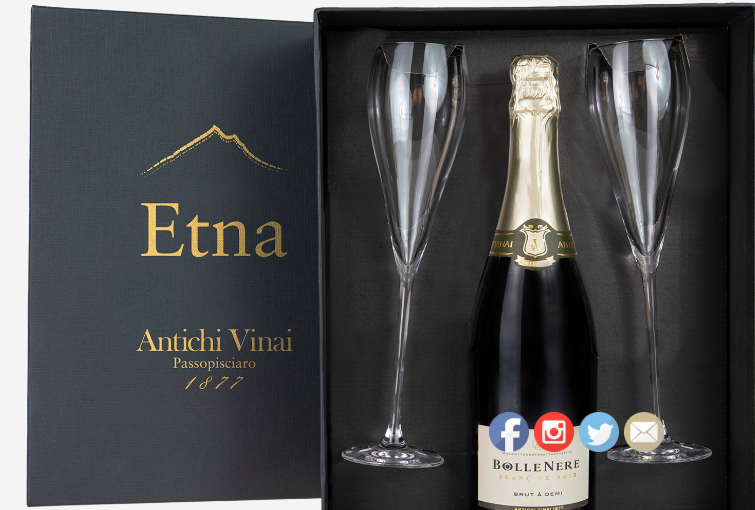
Antichi Vinai (Ancient Vintners)

Land of Fire: Divine forces flowing to the sea in crystal rivers between lava rocks and deep lakes, invisible to mortals and to the envious Moon; theatre of magnificence for the Deities that reign the Earth, battlefield for the splendour of the God who rules the waves: infinite clash for the power of beauty.

Terra del fuoco: Divine forze scorrono al mare in fiumi di cristallo tra rocce di lava e laghi profondi, invisibili ai mortali e alla Luna invidiosa; teatro della magnificenza per le Divinità che regnano la Terra, campo di battaglia per lo splendore del Dio che regna le onde: infinita battaglia per il potere della bellezza.

Romano Pisciotti


The slopes of Etna are home to some of the most particular vineyards in Europe.

The altitude, the Mediterranean exposures and the great thermal excursions, thanks to the volcanic soils, give the wines unique characteristics.

From Randazzo to Biancavilla, passing through Piedimonte Etneo and Milo, at an altitude ranging from 400 to just over 1000 meters, the production area of ​​the Etna Doc wines of Antichi Vinai extends.


“Antichi Vinai” wines are born from the secrets and passion for the vine.


For five generations the Gangemi family has been dedicated to viticulture and to the enhancement of Sicilian indigenous vines, especially Etna.


In one hundred years of work in the vineyards on the slopes of Etna and in the aging cellars, experience has been added to the passion, to experience the technology, to give admirers of Sicilian wines great certainties to savor.


THE ETNA DOC

Etna was the first controlled designation of origin to obtain the
recognition of the designation of origin, the Doc Etna

DECANTER 2020 – WORLD WINE AWARDS

https://web.facebook.com/antichivinai1877/?_rdc=1&_rdr

Presented by Aurora View Resort

http://www.auroraviewresort.it/

Fondachello di Mascali (CT) Italy

ARREDIL ART


ARREDIL ART

I walked on ancient colors and modern designs
in the smile of the light and in the geometric madness,
I discovered realizable emotions and dreams
in the enchantment of new and possible fairy tales.

Ho camminato su colori antichi e disegni moderni
nel sorriso della luce e nella geometrica follia,
ho scoperto emozioni e sogni realizzabili
nell’incanto di favole nuove e possibili.

Romano Pisciotti

Arredil Art 

per costruire, rinnovare, decorare e arredare

to build, renovate, decorate and furnish

SHOWROOM:

Corso Italia, 254

95014 Giarre (CT)

Sicily – ITALY

info@arredilart.it

www.arredilart.it

(+39) 3779727162 –  (Lia Gangemi) WhatsApp

Facebook


Aurora View Resort: LIKE

http://www.auroraviewresort.it/

The AMAZON trick/ Il trucchetto di AMAZON

ITALIAN AND ENGLISH VERSION

Nel 2017 Amazon tenne tre giorni di incontri presso la sua sede centrale di Seattle con i rappresentanti di decine di brand di beni di consumo. A quel richiamo, numerosi marchi – alcuni molto famosi – risposero iniziando a vendere i loro prodotti attraverso le piattaforme di Amazon. Ma c’era un trucco, iniziato già nel 2009.

In quell’anno comparve infatti sul sito del gigante di Seattle una pila che mostrava un nuovo marchio: Amazon Basics. Si trattava del primo marchio di proprietà di Amazon. In pochi anni, le pile Amazon Basics hanno conquistato quasi un terzo delle vendite, superando Energizer e Duracell. Amazon non rilascia dati ufficiali sulle vendite dei prodotti dei marchi di proprietà, e così abbiamo provato ad analizzare il portafoglio di tali prodotti. I numeri sono sorprendenti: oltre 400 marchi che coprono venti categorie, per un totale di oltre 23mila prodotti.

È legittimo chiedersi il motivo per cui Amazon, da una parte, invita i brand a entrare nel suo store digitale e poi crea marchi per competere con quegli stessi brand. E la risposta a questa domanda è semplice. Quando qualcosa viene venduto su Amazon, chi è il proprietario dei dati? E chi possiede la relazione con il cliente? Se avete risposto “Amazon” a entrambe le domande, avete centrato la questione.

FONTE: 

In 2017, Amazon held three days of meetings at its Seattle headquarters with representatives from dozens of consumer goods brands. At that recall, numerous brands – some very famous – responded by starting to sell their products through Amazon’s platforms. But there was a trick, which began as early as 2009.

In fact, in that year a stack showing a new brand appeared on the Seattle giant’s website: Amazon Basics. It was the first brand owned by Amazon. In just a few years, Amazon Basics batteries have captured nearly a third of sales, surpassing Energizer and Duracell. Amazon does not release official data on the sales of the products of the proprietary brands, and so we tried to analyze the portfolio of those products. The numbers are surprising: over 400 brands covering twenty categories, for a total of over 23,000 products.

It is legitimate to ask why Amazon, on the one hand, invites brands to enter its digital store and then creates brands to compete with those same brands. And the answer to this question is simple. When something is sold on Amazon, who owns the data? And who owns the relationship with the customer? If you answered “Amazon” to both questions, you have got it right.

(Translation from the Italian edition: Romano Pisciotti)

BUSINESS & MARKETING

Leveraging livestock for human nutrition

Livestock are a key resource for economic growth in many countries, both at national and household level. Animals are important assets and an essential source of income for livestock-keeping households. 

Well-managed and utilized livestock can play an important role in achieving the Sustainable Development Goals.

The livestock sector plays a crucial role in the social and economic development of a country, especially in low- and middle-income countries. It directly supports the livelihoods of 600 million poor smallholder farmers in the developing world. Livestock are a direct and indirect source of food for rural and urban households. It is estimated that livestock-derived foods, or animal-source foods (ASF), contribute 18% of global food energy consumption and 34% of global protein consumption (FAOSTAT, 2016). ASF are a unique source of high-quality proteins and bioavailable essential vitamins and minerals. 

Leveraging the potential of livestock and optimizing efficiency in production systems is now more important than ever before given the current global food security and nutrition situation.

Presented by Romano Pisciotti

Africa’s population will double

Projections show that by 2050, Africa’s population will double.

By 2100, one in three people on Earth will be African.

This means that, by the end of the century, sub-Saharan Africa—which already has an extraordinarily young population—will be home to almost half of the young people in the world.

With a steadily growing population heading towards 2bn, Africa’s 1.1bn workforce will be the world’s largest by 2040. Equally, with a collective GDP of $2.6 trillion by 2020 and $1.4 trillion of consumer spending, many see the impact of around 500m new middle class consumers. Africa as a continent has, on average, grown its economy by at 5% per annum over the last decade. It is already as urbanized as China and has as many cities of over 1m populations as Europe.

However clearly there are many ‘Africas’, with varied economies: from the oil exporters of Nigeria, Angola, Libya and Algeria to the already more diversified economies found in Egypt, South Africa and Morocco, there is a host of nations already with GDP per capita well over $2000. Elsewhere there are many countries such as Kenya, Tanzania, Ghana and Cameroon in transition from agricultural to manufacturing and service economies.

For years, Africa’s growth has been shaped by commodity prices – the continent has a third of the planet’s mineral resources, 10% of the world’s oil reserves and produces nearly 70% of the global diamond trade. While this has clearly been good for growth in the past, the dependency on a few key commodities, and hence their global price, has led to high levels of market uncertainty – especially around many of Africa’s currencies: at least ten African currencies, for example, lost more than 10% of their value in 2014. Although oil prices are volatile, oil and gas will however continue to be an important factor in the future of Africa – Africa will remain an important producer of oil and natural gas, accounting for 10% of global oil and 9% of natural gas production in 2035.

In a bid to diversify away from resources, several nations have been pushing hard to grow other sectors of the economy. To date, manufacturing, services and tourism in particular have all shown growth (although, whether from ebola, localized terrorism or national political change, growth from the latter source is evidently volatile). For example, while Nigeria is still very much an oil exporting economy, its service sector now accounts for 60% of its GDP – and ‘Nollywood’, its $3 billion film industry, is now the second largest in the world – bigger than Hollywood and just behind Bollywood in Mumbai. Likewise in Angola, Africa’s second largest oil exporter, where fishing, agriculture and manufacturing growth now means that a third of government revenue comes from non-oil sources. On the back of the success of m-pesa mobile payments that kicked off in Kenya in 2007, many African states, from Nigeria to the DRC, are seen as world leaders in adapting mobile technology and social networks to deliver potentially life-changing new financial platforms – many of which operate across borders and so engender greater transparency and cooperation. Older, protected, and often niche, monopolies are being superseded by collaborative, mass-market platforms from IT-enabled and, most importantly, more trusted, challengers.

FROMWEB

Presented by Romano Pisciotti

E’ SEMPRE SOLO QUESTIONE DI SOLDI

TUTTO A FINI COMMERCIALI


Diversi ma sempre uguali, come Coca-Cola

Nel 1969, l’anno dopo l’assassinio di Martin Luther King Jr., l’allora Presidente e Amministratore Delegato di Coca-Cola Robert Woodruff decise che era arrivato il momento di mostrare afro-americani e bianchi insieme in una pubblicità.

Coca-Cola diventa qualcosa di più di una semplice bevanda, una formula universale che tutti amano ed è capace di avvicinare le persone.

Pasolini, più di 40 anni fa, aveva già compreso cosa sarebbe successo oggi. “Il potere della civiltà dei consumi ha superato il fascismo nella sua capacità di omologazione, nella sua capacità di distruzione degli uomini e delle realtà particolari. Il vero fascismo è la civiltà dei consumi”. 

dal web, Romano Pisciotti

Quanto vale la vittoria in euro?

La vittoria della Nazionale di calcio italiana a Euro 2020 farà bene all’economia.

Il giorno dopo la finale a Wembley iniziano a circolare le prime stime sull’impatto del trionfo degli Azzurri sull’economia italiana.

A snocciolare le prime previsioni è il presidente della Figc, Gabriele Gravina:

“Il calcio e la Nazionale concorrono a fare il nostro Paese più credibile, stimato, inclusivo e ricco: tutte le maggiori ricerche stimano l’impatto della grande vittoria di ieri nello 0,7% del Pil” ha detto parlando al premier Mario Draghi che ha ricevuto gli azzurri campioni d’Europa a Palazzo Chigi.  “Gli azzurri rappresentano un esempio positivo, un messaggio di bellezza che fa bene all’Italia, in termini di passione e fiducia per il futuro, ma anche economici: la vittoria, attraverso bel gioco e identità ben definita, è un incentivo a dare sempre il meglio di noi stessi in ogni settore”.

AZZURRI e PIL

Presentato da Romano Pisciotti