The most valuable brands 2018


The most valuable brands in the world are Apple, Google and Amazon according to the usual Interbrand annual report.

The Cupertino colossal in 2018 reached a value of 214 billion dollars. Apple and Google have occupied the first two places for six consecutive years, according to Interbrand’s Best Global Brands report, while Facebook slipped to the ninth after being the fastest growing brand for five years. Meanwhile, the brands that reached the top 100 in 2017 but were expelled this year are among others Tesla, Thomson Reuters, Moët & Chandon and Smirnoff.

logo apple

I brand di maggior valore al mondo sono Apple, Google e Amazon secondo il consueto rapporto annuale di Interbrand.

Il colosso di Cupertino nel 2018 ha toccato un valore di 214 miliardi di dollari. Apple e Google hanno occupato i primi due posti per sei anni consecutivi, secondo il rapporto Best Global Brands di Interbrand, mentre Facebook è scivolato al nono dopo essere stato il marchio in più rapida crescita da cinque anni. Nel frattempo i marchi che hanno raggiunto i primi 100 nel 2017 ma sono stati espulsi quest’anno, tra gli altri, Tesla, Thomson Reuters, Moët & Chandon e Smirnoff.

article selected by Romano Pisciotti

The de-civilising process

Reading recommended by Romano Pisciotti
RELUCTANT GLOBAL CITIZEN

The de-civilising process

Adrian Wooldridge laments the collapse of manners

In his new book, “In Pursuit of Civility”, British historian Keith Thomas tells the story of the most benign developments of the past 500 years: the spread of civilised manners. In the 16th and 17th centuries many people behaved like barbarians. They delighted in public hangings and torture. They stank to high heaven. Samuel Pepys defecated in a chimney. Josiah Pullen, vice-principal of Magdalen Hall, Oxford, urinated while showing a lady around his college, “still holding the lady fast by the hand”. It took centuries of painstaking effort – sermons, etiquette manuals and stern lectures – to convert them into civilised human beings.

Reading Thomas’s book on a train recently I was gripped by a terrible realisation: everything our forebears worked so hard to achieve is now reversing. A process that took centuries has been undone in just a few decades.

There is no better place to observe the collapse of manners than on mass transport. The most basic move in the civilising process was to make a distinction between the public and the private: persuading people to defecate in lavatories rather than chimneys and eat at regular times in designated places, not whenever or wherever the mood took them. Yet today city streets reek of urine and trains smell of fast food. I recently had the misfortune to sit next to a quivering man-mountain on a train who proceeded to slurp a Coke, demolish a Big Mac, munch fries and spill ketchup onto his beard while giggling at a film on his super-sized iPad. His only concession to the fact that he wasn’t in his own sitting room was to wear headphones.

Overnight flights are worse. I’ve never witnessed anybody urinating on the back of an airline seat, as apparently happened on a Frontier Airlines plane this May. But I’ve watched a man next to me floss his teeth and then carefully place the thread on the tray table, another do a vigorous push-up routine in the corridor, and a modern-day Henry VIII discard his chicken bones on the floor.

Enlightenment philosophers were convinced that the great engines of modernity – urbanisation, commerce and travel – would also spread civilisation. Commerce was supposed to polish people’s manners as well as fill their pockets. The closer association of people with each other would allow the masses to learn refinement. Today those very engines are turning against the civilising process. San Francisco is at the centre of the biggest creation of wealth on the planet, yet its streets are often littered with faeces, garbage and syringes.

The people who were supposed to act as guardians of high culture have collectively turned against it. Psychotherapists disparage self-restraint as a sign of unhealthy hang-ups. Academics are now so keen to denounce bourgeois civilisation as a tool of exploitation, patriarchy and/or misogyny that it can only be a matter of time before they start behaving like Josiah Pullen. One Cambridge economist, Victoria Bateman, turned up to a faculty meeting naked in protest at Britain’s vote to leave the EU. No wonder that today’s young, the most educated generation in history, are more likely to model their style on the urban underclass than on yesterday’s educated elite – hence the spread of tattoos, piercings and beards.

Civilisational decline is contagious: however hard you try to preserve your own manners you can’t resist the general trend. Make way for someone in a queue at Starbucks and you’ll have to wait ages as they order some ridiculously convoluted drink and then take the only free table. Keep the seat next to you clear on a train and you’ll find yourself sitting next to somebody who decides to treat it like their own sofa.

I don’t think I’ll ever give in to the fashion for beards and tattoos, let alone turning up to meetings naked. But I’ve noticed that I increasingly circumvent the normal rules of politeness in a desperate attempt to keep going. I carry a pair of headphones with me at all times to insulate myself from the noise of my neighbours. I sprint ahead if I see any possible competitors approaching the queue for coffee. And I’ve graduated from putting my bag on the seat next to me on a train to a more cunning technique: I leave a copy of Jack Rosewood’s “The Big Book of Serial Killers” on the chair and smile manically at anyone who comes anywhere near. So far the serial-killer strategy has worked remarkably well.

THE ECONOMIST

For spinters // Per le zitelle


A Palermo Sant’Onofrio ha il titolo di patrono secondario e nel 1568 gli fu dedicata una chiesetta, in Via Panneria

Sant’Onofrio tutt’ora viene pregato perché ha il potere di far trovare marito alle zitelle!. Ogni sera, per nove giorni di seguito, si doveva recitare tra una preghiera e l’altra una filastrocca fatta apposta per chiedere la grazia a Sant’Onofrio. Mentre si recitava la filastrocca si doveva mettere una monetina da due centesimi nella serratura di una porta qualsiasi. Se fosse caduta la richiesta era esaudita!

Palermo, chiesa di Sant’Onofrio

In Palermo San’Onofrio is a secondary patron and in 1568 a religious group dedicated a small church to him, in Via Panneria

Saint Onofrio is famous because has the power to find a husband for the spinsters! Every evening for nine days, unlucky girl had to say a rhyme in Sicilian dialect between a prayer and the other one to ask the grace to Saint Onofrio. During the recite she had to put a two-cent coin in the lock of any door. If the coin fell the request was satisfied!


website recommended by Romano Pisciotti:


http://www.auroraviewresort.com/sicily-sicilia/hello-world/


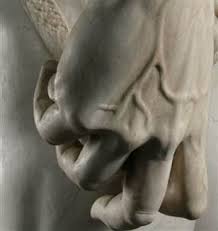
David di Michelangelo


La pietra nelle vene e il cuore aperto agli spazi dell’anima, ai sentimenti e ai pensieri: il segreto del marmo rivelato dalla mano dell’artista.

Bellezza e armonia di passi mai mossi e combattimenti immobili, il peccato d’essere di sasso e il miracolo di una vita eterna.

Romano Pisciotti


(The stone in the veins and the heart open to the spaces of the soul, to feelings and thoughts: the secret of marble revealed by the artist’s hand.

Beauty and harmony of steps never moved and fights, the sin of being of stone and the miracle of an eternal life.)

Il David è una delle sculture più note al mondo oltre ad essere una delle opere più rappresentative del Rinascimento. La scultura, che rappresenta il Re David prima della battaglia contro Golia, misura 4,10 metri e pesa 5,5 tonnellate. Scolpita in un blocco di marmo di Carrara, fu realizzata tra il 1501 e il 1504. Oggi è una delle principali attrazioni di Firenze.

The David is one of the most famous sculptures in the world as well as being one of the most representative works of the Renaissance. The sculpture, which represents King David before the battle against Goliath, measures 4.10 meters and weighs 5.5 tons. Sculpted in a block of Carrara marble, it was built between 1501 and 1504. Today it is one of the main attractions of Florence.

Visit Sicily: Aurora View Resort

http://www.auroraviewresort.com/sicily-sicilia/hello-world/

Motor Parts Industry – Nigeria


MPI (Motor Parts Industry) is official IVECO dealer in Nigeria and can supply any vehicle made by IVECOand ASTRA.

SPEARS

INFO italmotor@gmail.com Romano Pisciotti

MPI is the largest stockist of original IVECO spare parts in Nigeria and has a fully equipped workshop where all IVECO vehicles can be repaired.


Mito & Bellezza // Myth & Beauty


Venere e Nettuno

Neptune is religious, mystical, creative, can not feel pleasure if it does not involve the imagination and its unconscious. Venus, instinctive, passionate, immediate, seductive.

Nettuno è religioso, mistico, creativo, non può provare piacere se non coinvolge l’immaginazione e il suo inconscio. Venere, istintiva, passionale, immediata, seduttrice.

Nettuno – Danzica, Polonia

History, mythology and legend of Poseidon

God of the Sea
Called Neptune in Roman mythology, Poseidon, brother of Zeus, was the God of the Sea. But also the protector of horses and the one who triggers earthquakes. The relationship between the sea and horses is justified by some scholars. They state that originally Poseidon was to be born as a God-horse and only later was associated with the sea. This was when the Greek peoples began to devote themselves more to fishing and maritime businesses than to the cultivation of land.

Storia, mitologia e leggenda di Poseidone

Dio del Mare
Denominato Nettuno nella mitologia romana, Poseidone, fratello di Zeus era il Dio del Mare. Ma anche il protettore dei cavalli e colui che scatena i terremoti. La relazione tra il mare e i cavalli viene giustificata da alcuni studiosi. Questi affermano che originariamente Poseidone doveva essere nato come Dio-cavallo e che solo successivamente sia stato associato al mare. Questo quando i popoli greci cominciarono a dedicarsi più alla pesca e ai commerci marittimi che alla coltivazione delle terre.

Poseidone (Nettuno)

Venere (Venus):

Ancient Italic divinity, assimilated to the Greek goddess Aphrodite and venerated as a goddess of beauty, love, fertility and spring nature.

Venere di Milo – Parigi

Antica divinità italica, assimilata alla dea greca Afrodite e venerata come dea della bellezza, dell’amore, della fecondità e della natura primaverile.

http://www.auroraviewresort.com/poeti-artisti-scrittori-poeti-artists-writers/

Presented by Romano Pisciotti

Straulino

Si è sempre detto che un’immagine vale più di cento parole…vero, tanto più vero se le immagini sono due e si rincorrono, per un strano destino, nella sequenza di pubblicazione di due miei amici su Facebook: la prima è il passaggio del Vespucci, al comando del mitico Comandante Straulino, nel canale navigabile di Taranto senza l’ausilio delle macchine; la seconda è l’inquietante immagine di una moderna e gigantesca nave da crociera in ingresso a Venezia. Onore ai due Comandanti che mostrano un buon corredo di “attributi” e perizia marinaresca: il primo, danzando con il vento, il secondo, domando centomila tonnellata di ferro con tutta la tecnologia navale disponibile. Bravura e meticolosa conoscenza della propria nave e degli elementi in gioco: vento, corrente e ogni capriccio del Creatore.

La prima foto è del 1965, la seconda è molto più attuale. La prima foto ci riporta ad una dimensione più umana e antica: alla storia della marineria, a viaggi di uomini coraggiosi vissuti ben prima di Straulino, marinai che impararono e insegnarono a convivere con le forze della Natura.

Ogni Comandante, anche se oggi abbiamo la forza della tecnologia, deve fare i conti con quegl’insegnamenti.

A prescindere da tutto ciò, il Vespucci è passione e rispetto per il mare, mentre quell’enorme isola d’acciaio, così “incombente” in quella foto, sembra più un insulto alla Serenissima o, quanto meno, una minaccia per i suoi tesori e la sua storia. 

Abbiamo perso le proporzioni, la grazia e il rispetto che sono fonte di civiltà; l’eccesso è barbaro, imbruttisce e non è civile, forse, non è neppure umano. 

Quella grande nave bianca, vanto tecnologico di crociere interspaziali, non ha nessun bisogno di eclissare la storia di un paese per il demente divertimento di qualche passeggero che, molto meglio, potrebbe assaporare arte e storia vivendole a passeggio tra le calle di una città meravigliosa.

Questo è il trionfo del “low cost”? Crociere a poco prezzo con il rischio, per l’umanità, di pagare un tributo inimmaginabile: la fine del bello e del sottile piacere dell’arte! 

Basterebbe fermare quelle balene bianche un po’ più in là…ma forse abbiamo già perso il bene della logica e dell’intelletto.

Romano Pisciotti

I colori dell’acqua // The colors of the water


Immersione nei mari della Sicilia

Immersion in the seas of Sicily


Images taken in the waters of Favignana Island, Egadi archipelago, Sicily


Thanks to them
Immersione 6


Romano Pisciotti: LIKE


INFO Sicily tour:

Aurora View Resort

Le Miss

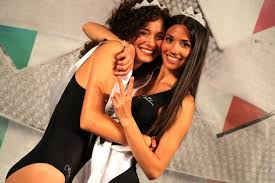
“A me mancherà un piede, ma a lei cuore e cervello” Così Chiara Bordi, 18enne di Tarquinia che parteciperà a Miss Italia e sarà la prima al concorso a presentarsi con una protesi alla gamba, ha risposto a una hater che l’accusava di impietosire gli italiani “solamente perché storpia”.

Il mondo nuovo è fatto di gente che non si arrende…neppure davanti al buon senso: tutti sappiamo che cosa è il concorso “Miss Italia” dunque che senso ha far sfilare una ragazza con la protesi ad una gamba?

miss Italia

Forse, in un mondo di edonisti e narcisisti, il concorso di bellezza inizia al mattino uscendo di casa e finisce nel sudore di una palestra o sotto i ferri di un chirurgo plastico…forse “Miss Italia” dovrebbe cambiare pelle e premiare l’intelligenza, il sacrificio e altre qualità, visto che la bellezza la cerchiamo nella vita quotidiana.
Forse, le papere ( …e paperi) in costume hanno fatto il loro tempo nei concorsi, essendo diventate parte del quotidiano?
Perché non rimettiamo le cose al loro posto? Una vita che premia le qualità ottenute con fatica e sacrificio, mentre i concorsi di bellezza possono premiare l’effimero, senza voler insegnare filosofia o storie di vita a nessuno.


Romano Pisciotti

Starbucks

Tutto l’aroma della globalizzazione nell’accordo Nestlé-Starbucks

La compagnia svizzera ha acquisito il diritto di commercializzare i prodotti della catena di Seattle. Ecco come il caffè ha unito i cinque continenti nei secoli

Un’icona americana ormai debordante negli aeroporti e nei centri commerciali, nei parcheggi e agli angoli delle strade, su YouTube, MySpace e sulle pagine di Facebook, in “Shrek 2” e in “Ti presento i miei”, nelle puntate dei Simpson e in quelle  di Sex and the City. Eppure è con la svizzera Nestlé che Starbucks ha siglato la grande alleanza. Un’alleanza che vale 7,5 miliardi di dollari e darà a Nestlé il diritto a commercializzare i prodotti del gruppo di Seattle.

Nestlè

La storia del caffè, però, c’entra poco sia con gli Stati Uniti che con la Svizzera. Il suo nome infatti deriva dall’altopiano etiopico di Kaffa, e tuttora l’Etiopia è il quinto produttore mondiale di caffè, con 384.000 tonnellate che nel 2015-16 rappresentavano il 3 per cento della produzione mondiale, il 34 per cento del suo export, il 60 per cento delle sue fonti di valuta e 15 milioni di posti di lavoro. Nero come il petrolio, qualcuno ha accostato il caffè al greggio indicandoli come i due carburanti su cui si basa la velocità del mondo moderno: l’uno per le macchine, l’altro per i cervelli delle persone. Più in generale il caffè è la terza voce più importante nei mercati mondiali delle commodities, appunto dopo petrolio-gas e acciaio. E non solo per l’Etiopia il caffè ha un’importanza economica pari a quella che ha l’“oro nero” per i paesi produttori.
E anche quello di Starbucks, in fondo, è un caffè globalizzante: è di proprietà americana, fa accordi con gli svizzeri, si rifornisce in America Latina e Africa e sfonda in Asia, ma è stato apertamente ispirato al “caffè all’italiana”. Per questo il primo nome della catena fu tra 1985 e 1992 “il Giornale”. Per questo gran parte della sua nomenclatura è in italiano, vero o maccheronico: Espresso, Grande, Venti, Trenta, Latte, Cappuccino, Americano, Breve, Macchiato, Frappuccino, Barista. E per questo ci ha messo tanti anni prima di trovare il modo di proporre la copia alla patria del modello originale: il primo Starbucks in Italia.

Presented by Romano Pisciotti