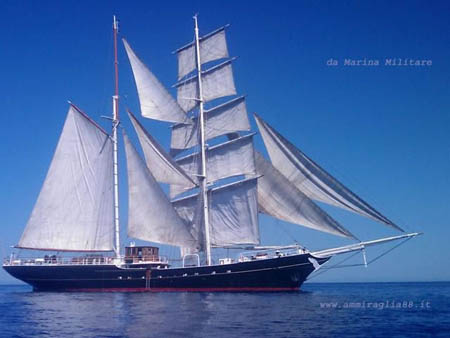
http://www.navismotor.it/uncategorized/cina-banchina-italia/
PESENTATO DA ROMANO PISCIOTTI
http://www.navismotor.it/uncategorized/cina-banchina-italia/
PESENTATO DA ROMANO PISCIOTTI

The contemporary art of Africa eludes generalized description. Artists have utilized various mediums, from oils to silk screening, and methods varying from brass casting by the ancient lost wax process to welding tin cans and other metals into sculpture. Traditionalists like Lamidi Fakeye produce sculpture and wood carvings based on classical African designs. A larger group works in the more modern styles of cubism, expressionism, and surrealism, while others seek a purely personal style. Many African artists were trained at European and American schools; others feel that they can achieve truly African expression only in their native surroundings. In Nigeria, for example, the national artistic tradition is strong and pervasive, even though obscured by the effects of European colonialism and Christian and Moslem religious zeal. In many other countries, traditional art very nearly succumbed under these forces. Thus a contemporary artwork is classified as African purely on the basis of the artist’s nationality, rather than according to a peculiar style, subject, purpose, or medium.
L’arte contemporanea dell’Africa sfugge alla descrizione generalizzata. Gli artisti hanno utilizzato vari mezzi, dagli oli alla serigrafia, e metodi che variano dalla fusione di ottone mediante l’antico processo a cera persa alla saldatura di lattine e altri metalli nella scultura. Tradizionalisti come Lamidi Fakeye producono sculture e intagli in legno basati su disegni africani classici. Un gruppo più numeroso lavora negli stili più moderni di cubismo, espressionismo e surrealismo, mentre altri cercano uno stile puramente personale. Molti artisti africani si sono formati nelle scuole europee e americane; altri ritengono di poter ottenere un’espressione veramente africana solo nel loro ambiente nativo. In Nigeria, ad esempio, la tradizione artistica nazionale è forte e pervasiva, anche se oscurata dagli effetti del colonialismo europeo e dello zelo religioso cristiano e musulmano. In molti altri paesi, l’arte tradizionale ha quasi ceduto a queste forze. Quindi un’opera d’arte contemporanea è classificata come africana esclusivamente sulla base della nazionalità dell’artista, piuttosto che secondo uno stile, un soggetto, uno scopo o un mezzo peculiari.
Presented by Romano Pisciotti


Rome Business School Nigeria, a satellite campus of the Rome Business School based in Rome, Italy is a managerial training and research institute of excellence situated in Ikeja, Lagos.
The Rome Business School Nigeria’s aim is to play a role in closing the gap between the academic world and the job market by providing managerial training courses suited to convey the knowledge necessary to kick-off or develop professional careers or business activities.
Our mission is to train entrepreneurs, managers and professionals to a level of excellence in their competence and their ethical approach to business and work, able to play a part in the development of an economic humanity and of a society more prosperous, fair and respectful of the central role of the individual.
It is without doubt that every country has its uniqueness; specific environment, divergent economies and different market penetration techniques, Rome Business School Nigeria was established to meet the Nigerian needs, while taking into consideration global standards.
Rome Business School Nigeria is not only charged with the responsibility to provide support, advice and help for prospective MBA and Master degree students but also embedded with the capacity to carry out Short Executive Courses training peculiar to the Nigerian environment and targeted towards individuals, companies and the nation building at large.
Presented by Romano Pisciotti
Berremo tutto il sole
che l’isola più bella
riveste di profumi
e caldo e sudore
dei giovani picciotti
partiti per mare
ancora vergini d’amore
tornati nei sogni
di madri ferite
da un Dio
che non restituisce
i riccioli cari
ne le grida
affogate nella notte
di fiamme e cannoni.
Berremo tutte le paure
e partiremo ancora.
di Romano Pisciotti


La diga Panperduto “patrimonio mondiale”
It bears a name that recalls the difficult efforts of the past, but in 135 years the dam has changed the landscape and created development: for this it has received an international award.
The Panperduto dam, on the Ticino river in Somma Lombardo, has in fact obtained registration in the ICID Register of World Heritage Irrigation Structures.
Porta un nome che ricorda le improbe fatiche del passato, ma in 135 anni la diga ha cambiato il paesaggio e creato sviluppo: per questo ha ricevuto un premio internazionale. la diga di Panperduto, sul fiume Ticino a Somma Lombardo, ha ottenuto infatto infatti l’iscrizione nell’ICID Register of World Heritage Irrigation Structures.


“An extraordinary example of a dam that led to the creation of an artificial agricultural landscape, indispensable for agricultural and economic development in the region” reads the motivation of the International Commission on Irrigation and Drainage. The Panperduto dam dates back to 1884 (completion of the works): it was created to derive, from the Ticino, the waters destined for the Villoresi canal, a great work designed by the homonymous engineer to irrigate the high Lombard plain, up to the eastern limit constituted by the river Adda. The dry plain, in fact, had a much lower yield than that of the irrigated plain south of Milan.

“Uno straordinario esempio di diga che ha portato alla creazione di un paesaggio agricolo artificiale, indispensabile allo sviluppo agricolo ed economico nella regione” recita la motivazione dell’International Commission on Irrigation and Drainage. La diga di Panperduto risale al 1884 (completamento dei lavori): fu creata per derivare, dal Ticino, le acque destinate al canale Villoresi, grande opera pensata dall’omonimo ingegnere per irrigare l’alta pianura lombarda, fino al limite orientale costituito dal fiume Adda. La pianura asciutta, infatti, aveva una resa molto inferiore rispetto a quella della pianura irrigua a Sud di Milano.

Nel nome di tre super petroliere degli anni ’50, ritroviamo la storia del miracolo economico italiano…e ciò che manca agli imprenditori moderni…e ai politicanti:
CORAGGIO, VOLERE e TENACIA !!!!
(la fantafinanza non era contemplata)
Alla fine del secondo conflitto mondiale, la flotta versava in una situazione catastrofica avendo perduto praticamente la totalità del suo tonnellaggio d’anteguerra ma a seguito di un programma di ricostruzione del naviglio sociale efficiente ed ambizioso, già nel 1953, la società poteva contare su un tonnellaggio leggermente superiore a quello dal 1940
Le supercisterne degli anni ‘50:

M/c Coraggio terza di tre m/c costruite nel Cantiere Ansaldo per la Achille Lauro di Napoli, costr. N° 1.481, impostata l’8 03-1952, varata l’11-01-1953, madrina sig.ra Laura Dufour Lauro, consegnata il 2 08-1953, tsl 17.050, lunga fra le pp 181 mt, larga 25 immersione 10, propulsione su due Fiat 759, due eliche, 17 nodi. Qui alle prove in mare.


Romano Pisciotti


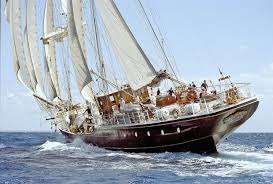
A bordo del brigantino Italia si svolgono infatti progetti di ricerca, formazione e terapia, educazione delle persone disagiate. Si persegue inoltre lo scopo di formare le persone che operano a contatto con il disagio.
Attraverso lo scambio delle esperienze diverse, anche internazionali, che fa, il brigantino Italia può essere definito come un ambasciatore dell’Italia educante, formativa e solidale nei mari del mondo.

Presentato da Romano Pisciotti

The English word “bank” derives from the Italian term “banco” (or “banca”), in turn stemming from the Frankish word “bank”.
In Italian, “banco” originally referred to a bench with a back, then a bench’s wooden seat, in the 1300s a shop counter, in the 1500s a craftsman workbench. Finally, from the counter where money was exchanged, collected and lent, it came to mean the institution itself offering those services.

Like for almost everything, you can find the remote origins of the banking system in ancient history. Saving and borrowing services existed among the Sumerians of ancient Mesopotamia, where private individuals felt the need to entrust their riches to priests, and among the ancient Greeks.
Other than this mainly formal recognition, banking was an Italian invention.
A letter of credit was one of the most important financial mechanisms that allowed international trade to flourish in the 15th century. As caravans wheeled, and ships sailed around Europe distributing fine goods, the letter of credit became a necessity for travelling merchants.
A letter of credit is an agreement in which the buyer’s bank guarantees to pay the seller’s bank at the time goods/services are delivered. They would be authorised to receive pounds in the London branch, for example, at 40 pence to the florin exactly 90 days after (the timing was always fixed).
Shipping large sums of money over land on a regular basis was too dangerous during this era. For this reason, traders would deposit florins (the Florentine currency of the day) in a Medici bank for a letter of credit.
Herein this tidy little innovation also lay the genius of the Medici wealth-generating machine. During the early Middle Ages, usury (the lending of money for interest) was a cardinal sin- which posed a problem for banking institutions such as the Medicis in a religiously-zealous society. A letter of credit was one of many ways they could disguise the interest within transactions, and refrain from angering the theocracy.

Continuing our example from above, the London branch of the bank would then turn around and find someone wanting to purchase florins in Florence, but at the rate of 36 pence to a florin (currencies traded in different rates home and away). This little difference of 4 pence per florin gave the cunning Medicis a 22% annual return. In the eyes of the contemporary theologian, this was a currency exchange rather than a sin, absolving them of the judgment of God, whilst making a tidy profit.

With 31 partners universities worldwide, the Rome Business School is actively in partnership with them in providing this kind of services, such as:
International MBA
The International MBA has been designed so that participants can enhance and increase their knowledge in business management and administration, work with the main management tools and strengthen their managerial skills and competences.
https://romebusinessschool.com/information-request/
Presented by Romano Pisciotti


Presentata da Romano Pisciotti
La ricchezza fondatore di Amazon, già l’uomo più ricco del mondo dal 2017, continua a segnare nuovi record, grazie all’aumento vertiginoso del valore delle azioni del colosso dell’ecommerce (+25% negli ultimi tre mesi, +86% da inizio anno).
Risultato finale. La ricchezza del CEO di Amazon ha sfondato il tetto del 200 miliardi di dollari, impresa in cui nessuno era riuscito prima. Per la precisione, secondo l’indice Bloomberg Billionaires, mercoledì scorso la ricchezza personale di Bezos valeva circa $ 202 miliardi.
“Per anni col suo negozio di materiale elettrico ha avuto benessere per se e per la famiglia. Pagava tasse salate e l’affitto, lo stipendio a due dipendenti e tutto correva normalmente, ma poi è intervenuta la distribuzione via internet. “Ordini, ti portano a casa il materiale e paghi meno di quanto pago io al grossista lo stesso pezzo”.
Ormai quel negozio è l’ombra di se stesso, niente più dipendenti, pochissimi clienti, lavora per pagare l’affitto e le tasse. Perchè tiene ancora aperto ? Mi dice …Ho passato gli anni belli della mia vita qui dentro e chiudere mi sembra morire. L’orgoglio di un piccolo imprenditore contro Amazon e simili che giocano a chi ne fa chiudere di più fino a radere al suolo il commercio al dettaglio. Però, quando avranno tutto in mano, potranno decidere anche di alzare i prezzi perchè non servirà più la micidiale concorrenza sleale contro i piccoli.”
Giulio Rossi Valdisole
…la ricchezza del CEO di Facebook (FB), Mark Zuckerberg ha superato i 100 miliardi di dollari.
Il CEO di Tesla (TSLA) Elon Musk, con un patrimonio netto di $ 96 miliardi ( a dispetto del colossale indebitamento delle sue aziende), è vicino a eguagliare la ricchezza di Zuckerberg. Il fondatore di Microsoft (MSFT) Bill Gates lo ha già fatto (124,3 miliardi).
Presentato da Romano Pisciotti